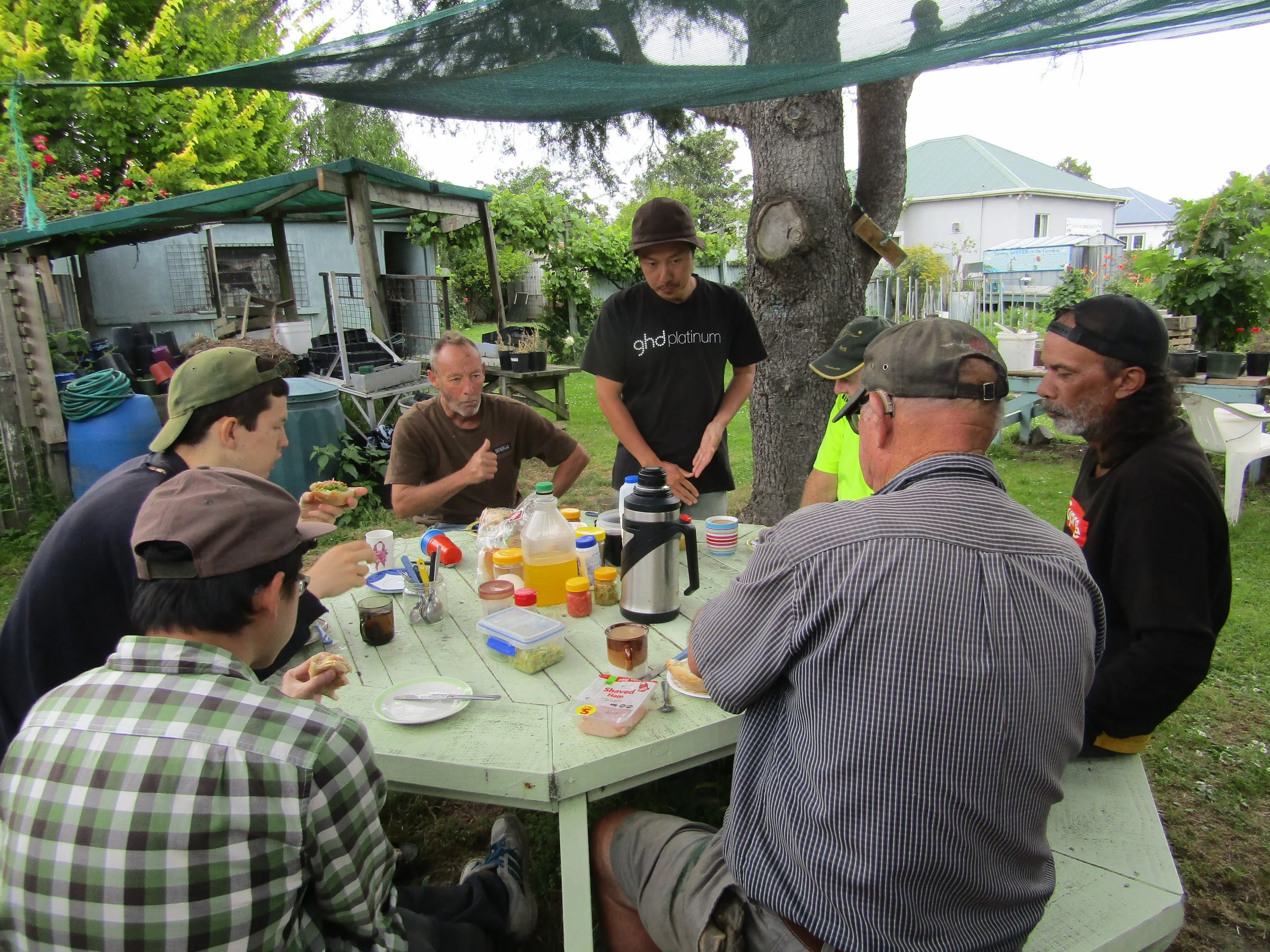
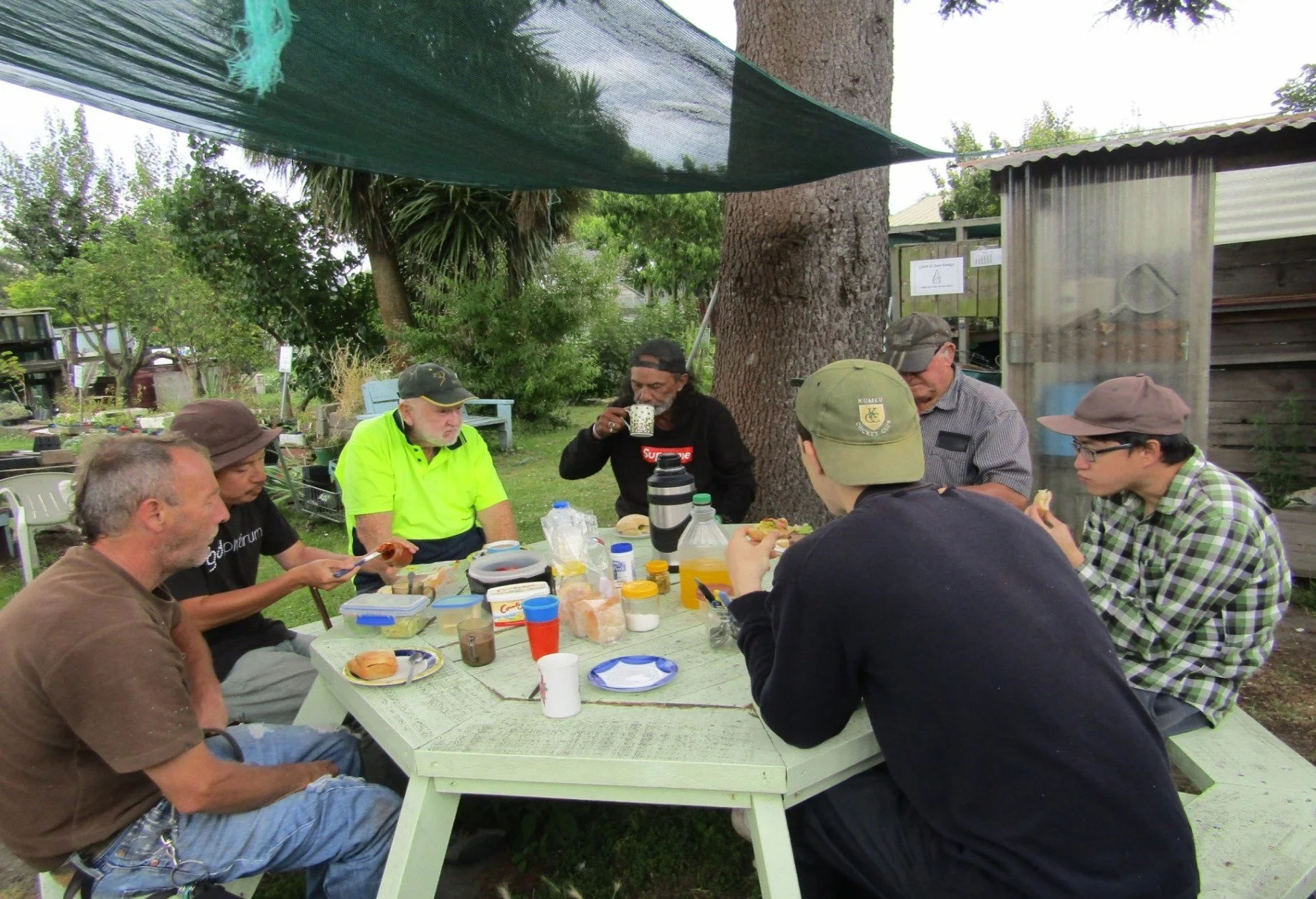
Garden with Us - Thursday & Saturday 10:30 am to 2:30 pm - BYO Gloves, Lunch Provided
***
Garden with Us - Thursday & Saturday 10:30 am to 2:30 pm - BYO Gloves, Lunch Provided ***
Our mission is to support neighbourhood sustainability by building community and sharing skills across three key areas: crop production, skill development, and community wellbeing.
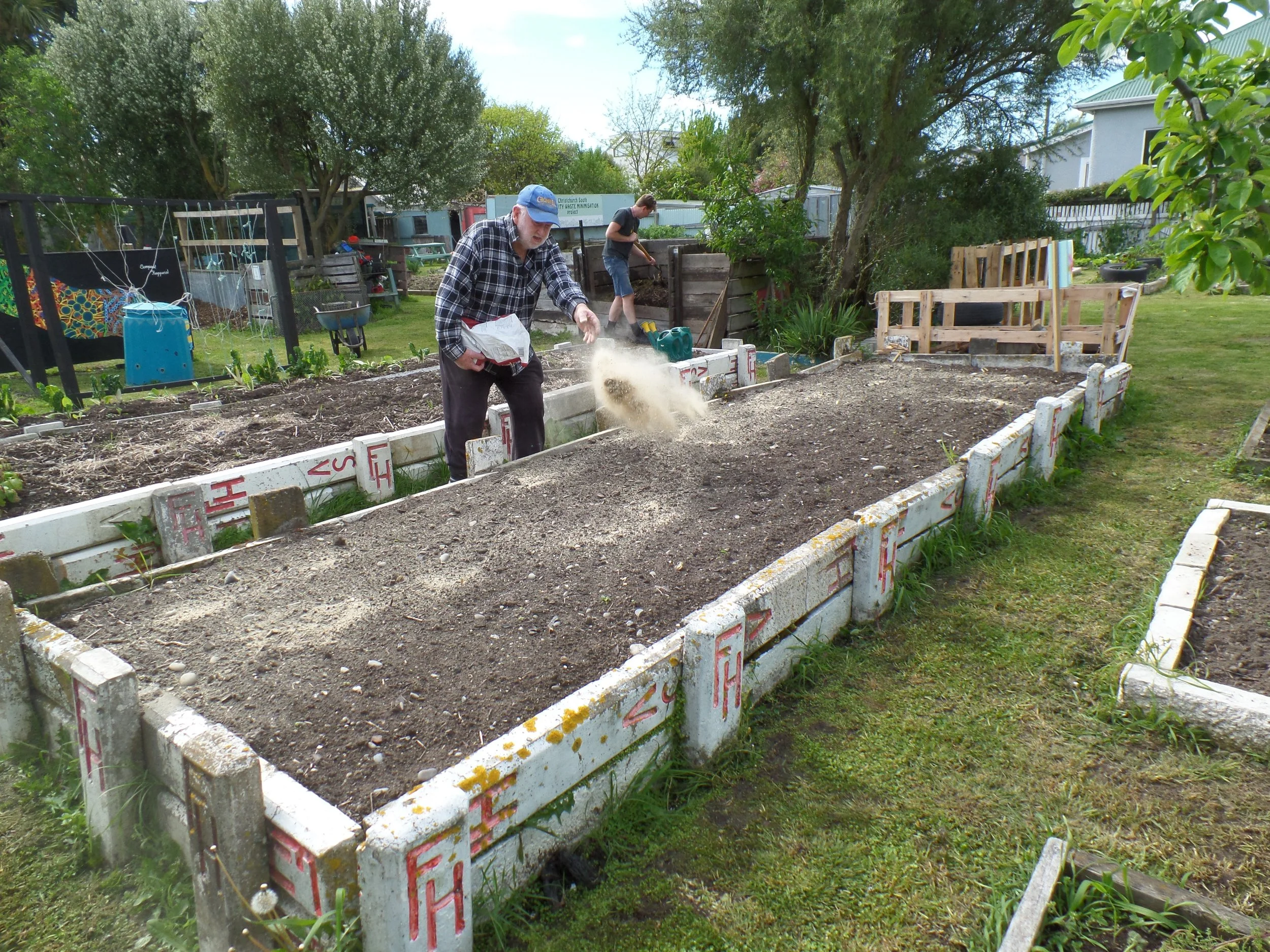
Core Work
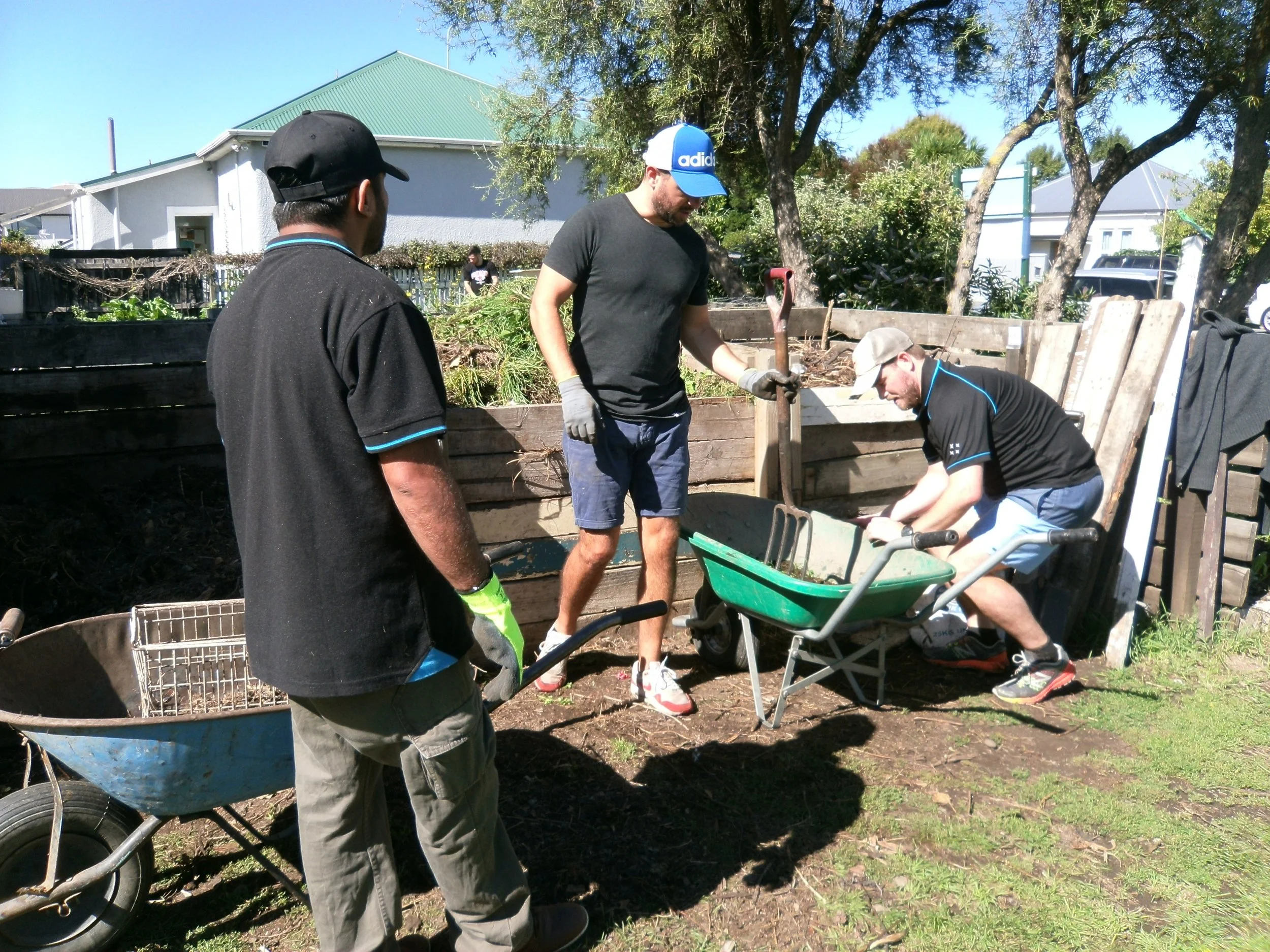
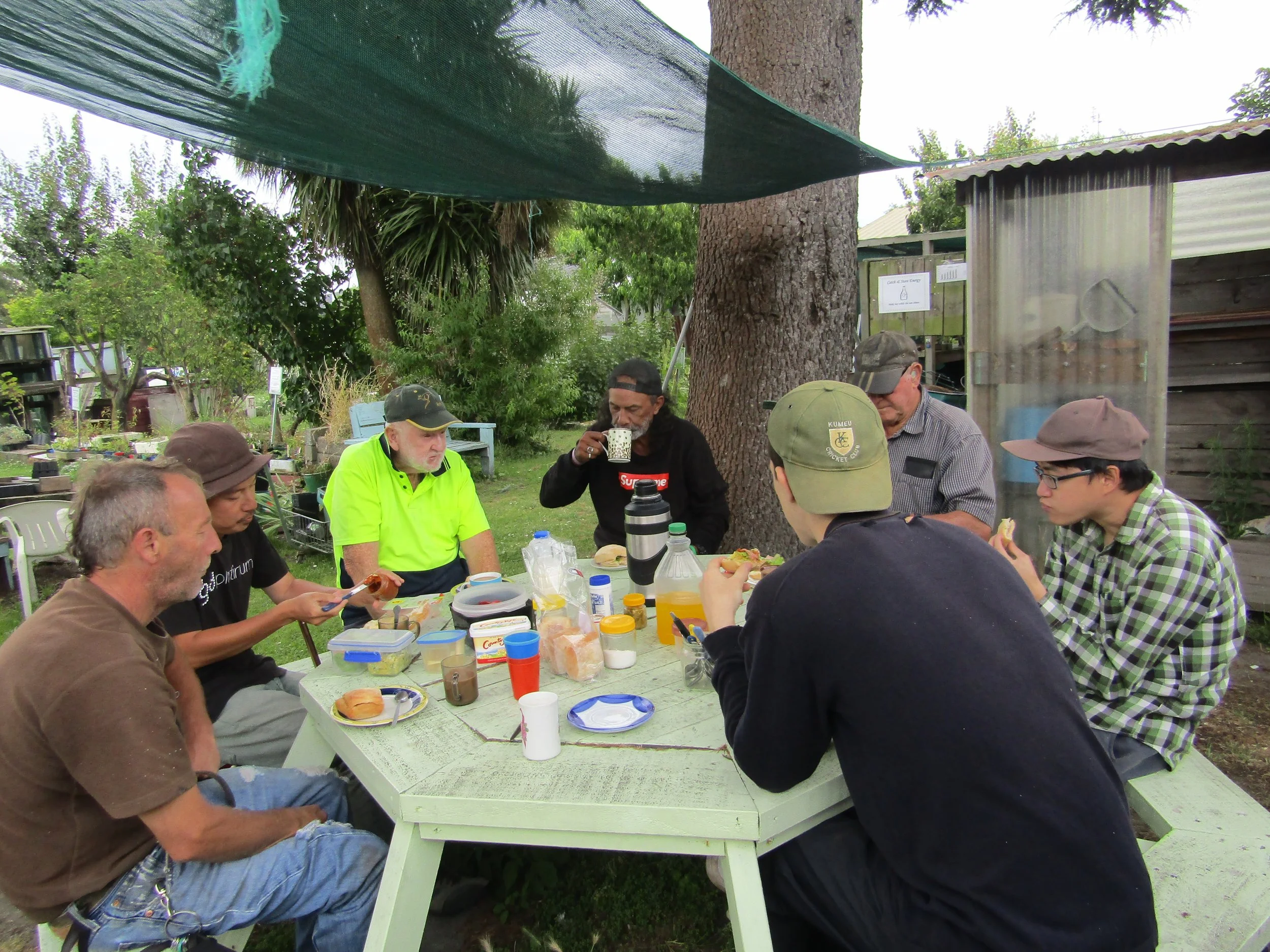
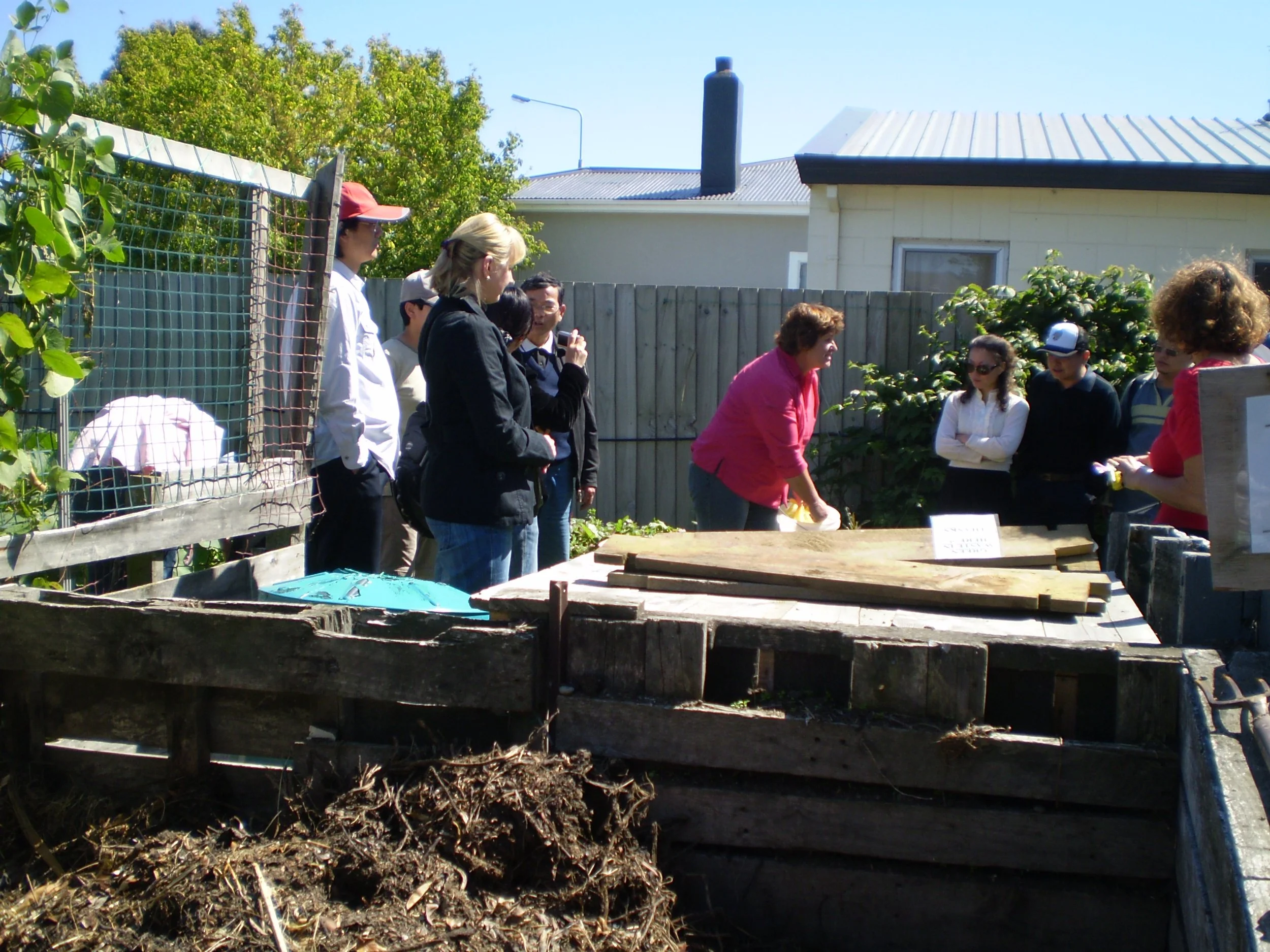
Crop Production
Growing food crops using permaculture & organic gardening methods
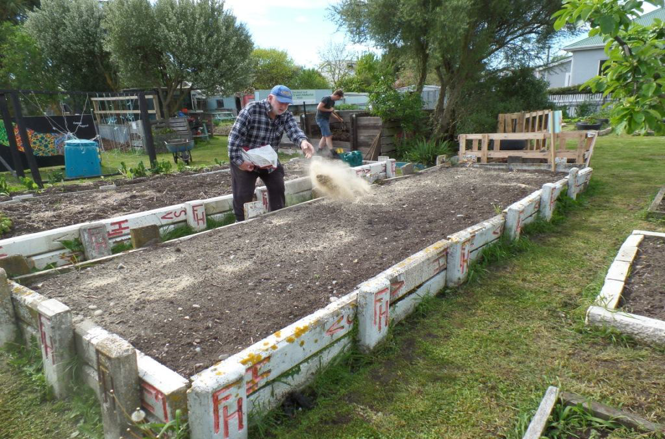
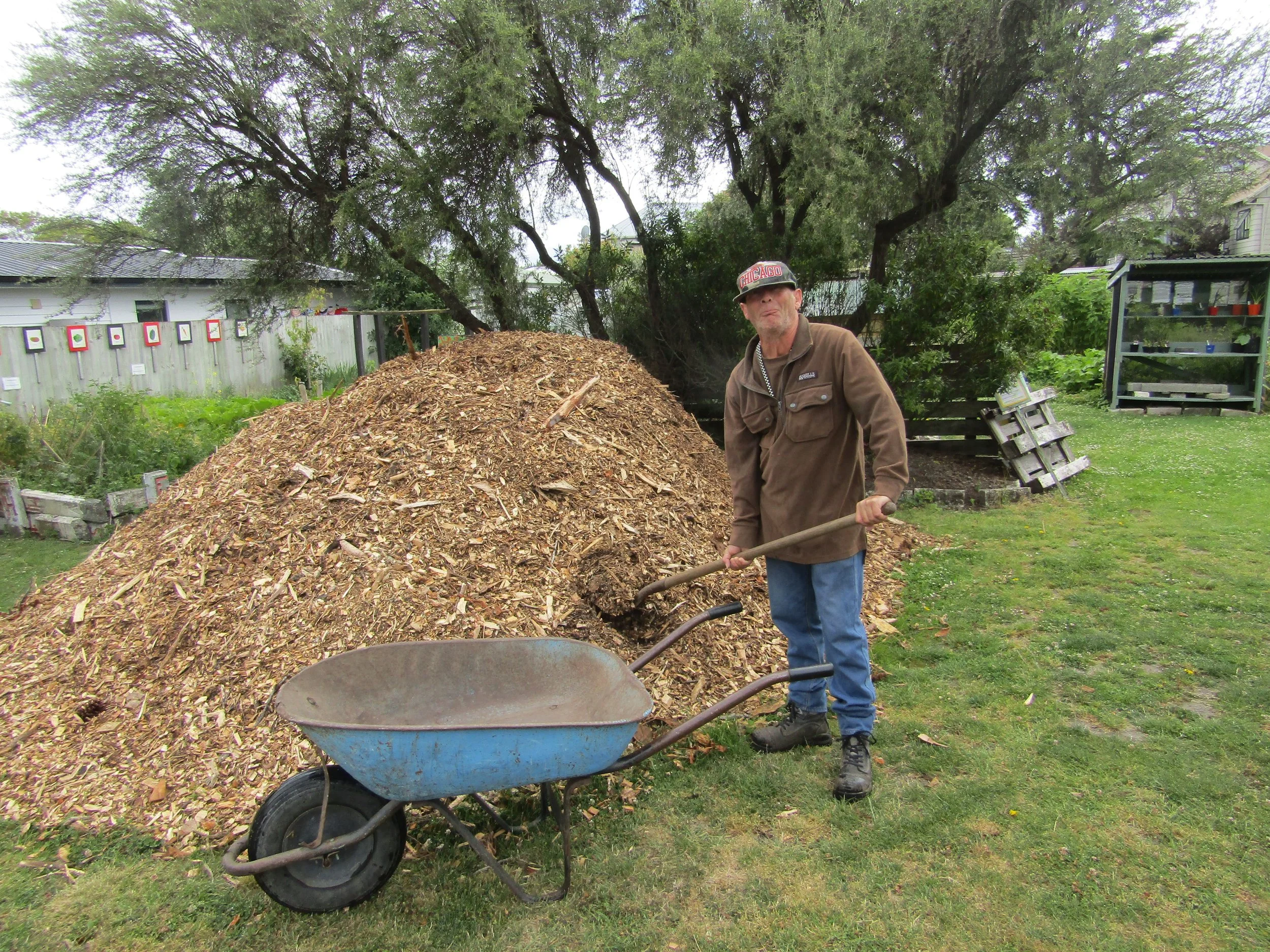
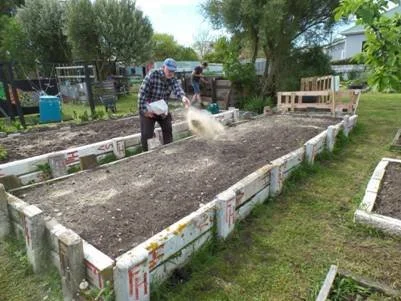
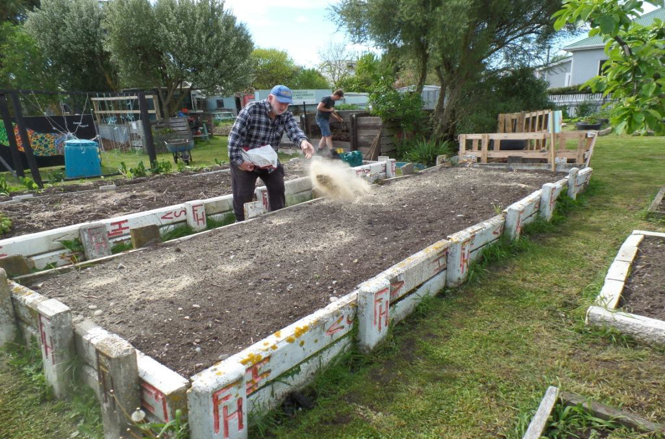
We grow vegetable and orchard crops using permaculture and organic gardening methods with a focus on using naturally derived fertilisers like compost, aged manure, seaweed, and bone/blood meal. The liquid (leachate) produced from our warm farm is also used as a natural fertiliser by diluting this liquid worm tea with water and feeding it to plants. Liquid worm tea increases microbial activity in plant soil by increasing the number of good bacteria that help break down organic matter, thereby increasing the amount of nutrients in the soil that are available for plants. We aim to reduce the use of synthetic pesticides, herbicides and fungicides by using effective, natural biological sprays like neem oil for our vegetable crops to control aphids, spider mites, whiteflies and to control powdery mildew. To control bacterial and fungal diseases on our fruit trees we use organic copper fungicides that protect and prevent against black spot and downy/powdery mildew spores.
Neighbourhood Sustainability & Education
Helping locals build horticulture & community engagement skills
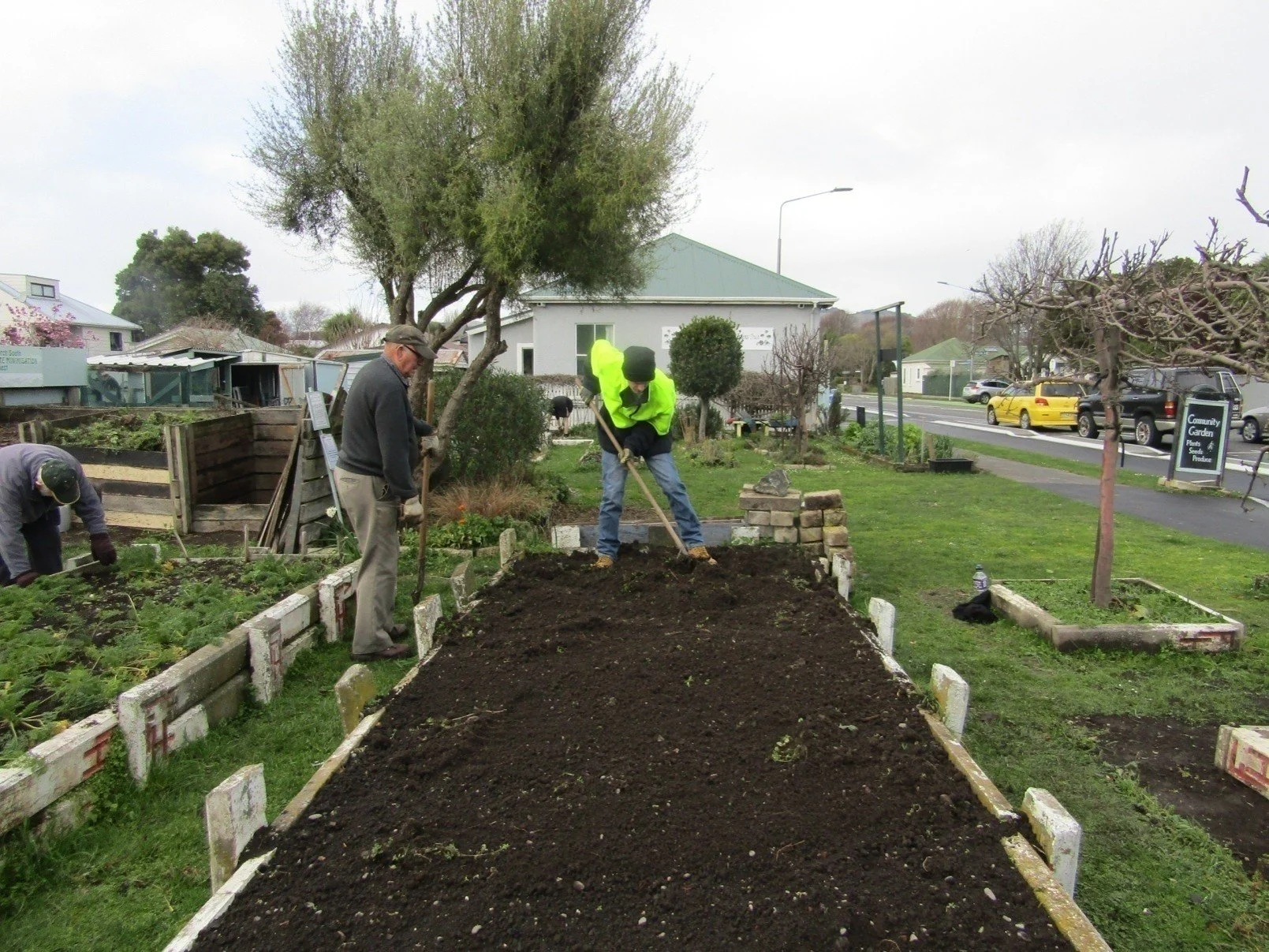
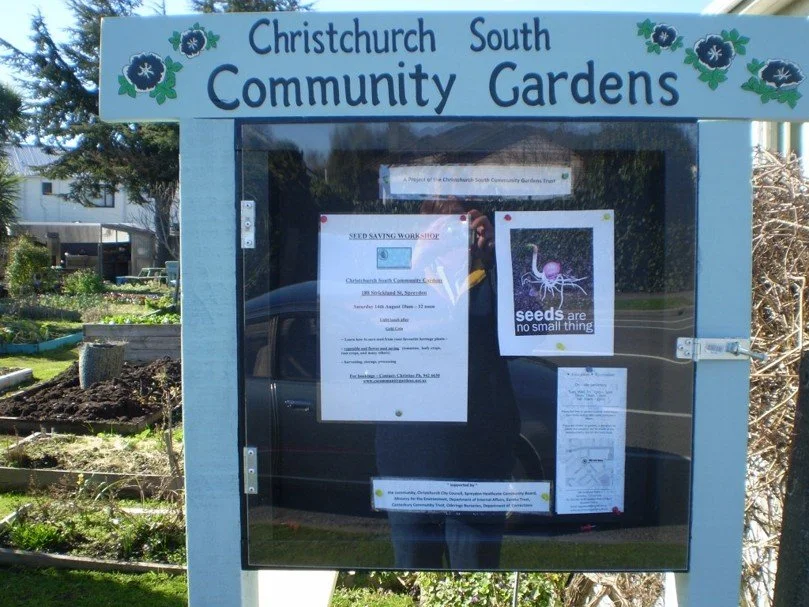
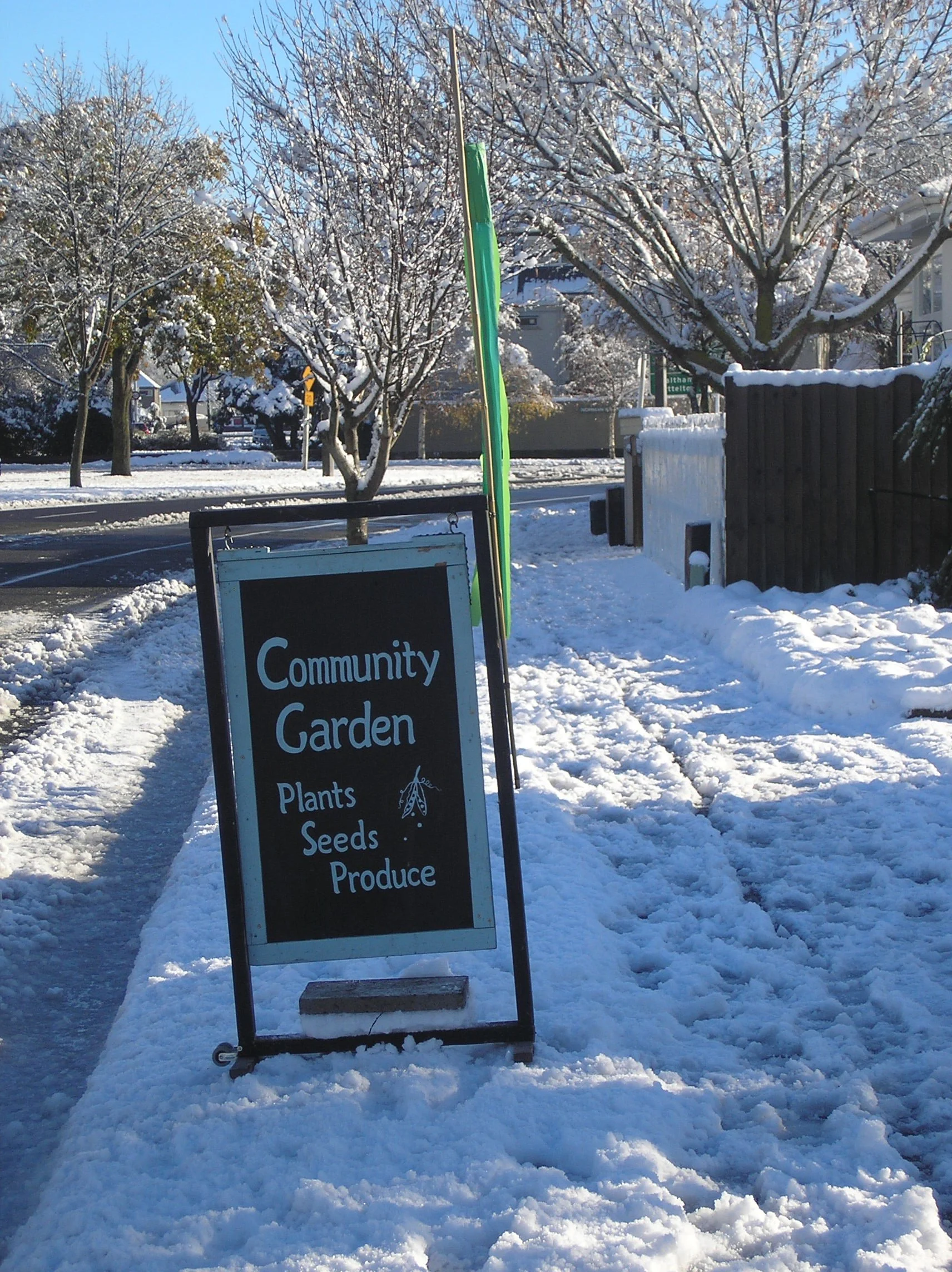
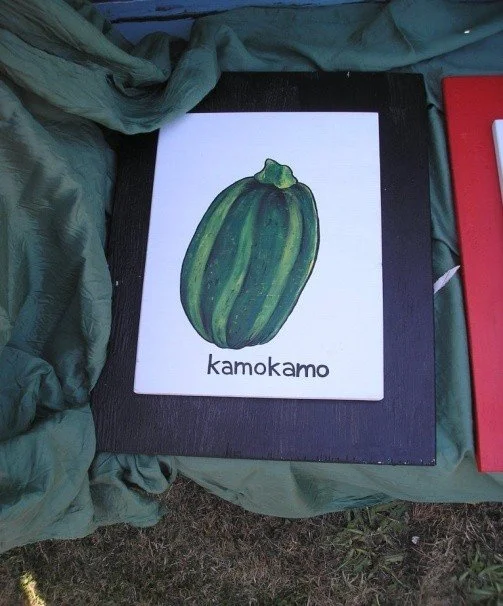
We work with a number of local schools and community organisations, teaching essential horticultural and crop production skills across a range of topics. Our Schools Programme focuses on teaching tamariki the basics of crop production, waste minimisation and composting through a fun and interactive programme developed with teachers. Signage around our site is designed to be engaging and informative with signs depicted near our composting system about the composting cycle and near our outdoor sink depicting water saving strategies. We aim to include more information signs across our site to provide visitors with insight into our crop production practices and act as an engagement point during our non-working days.
Community Development & Social Wellbeing
Working with the community to address local issues & improve wellbeing
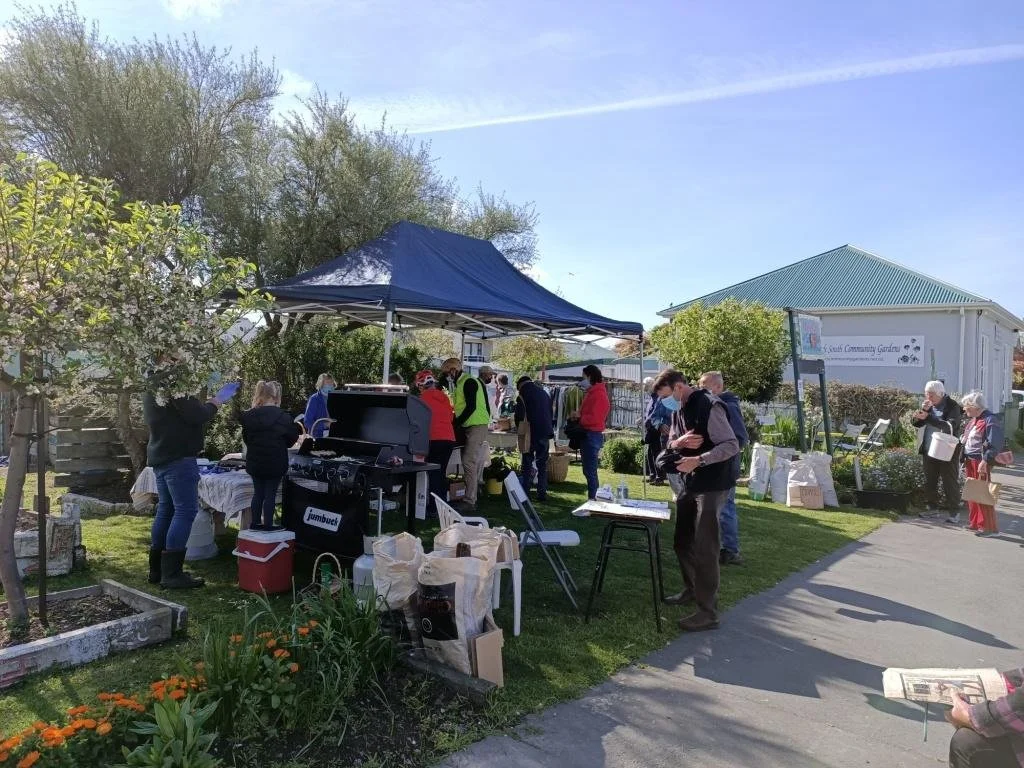
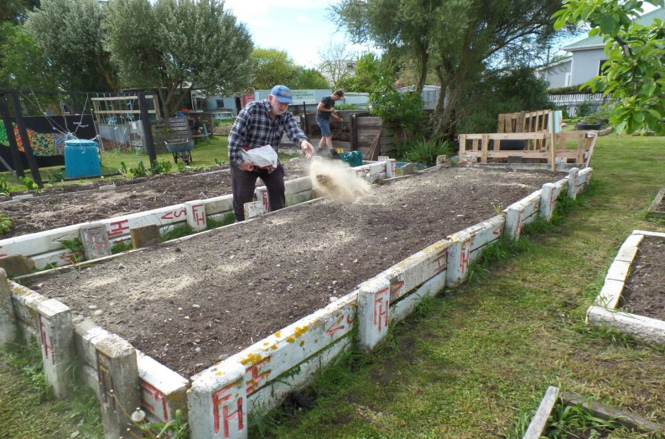
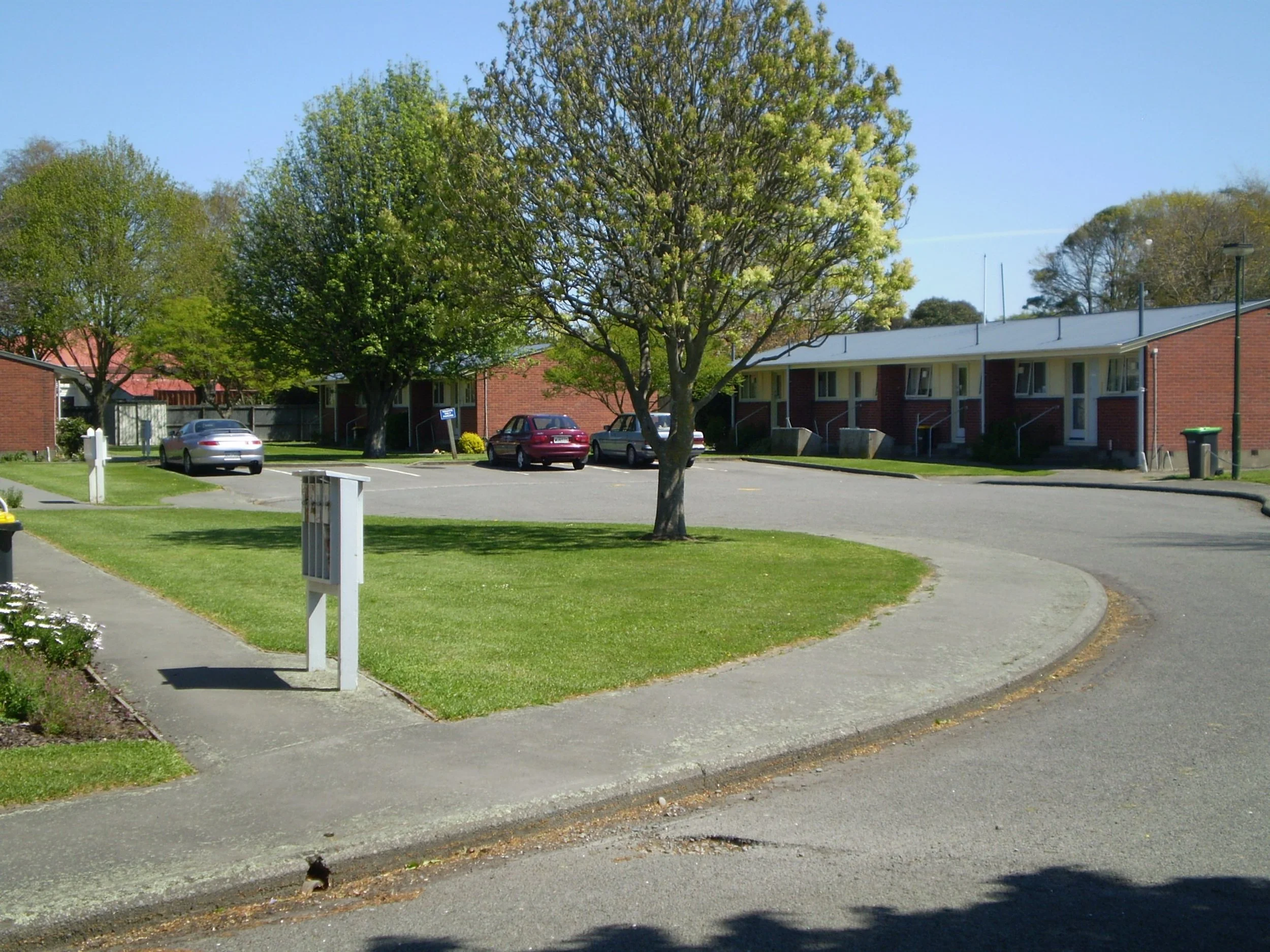
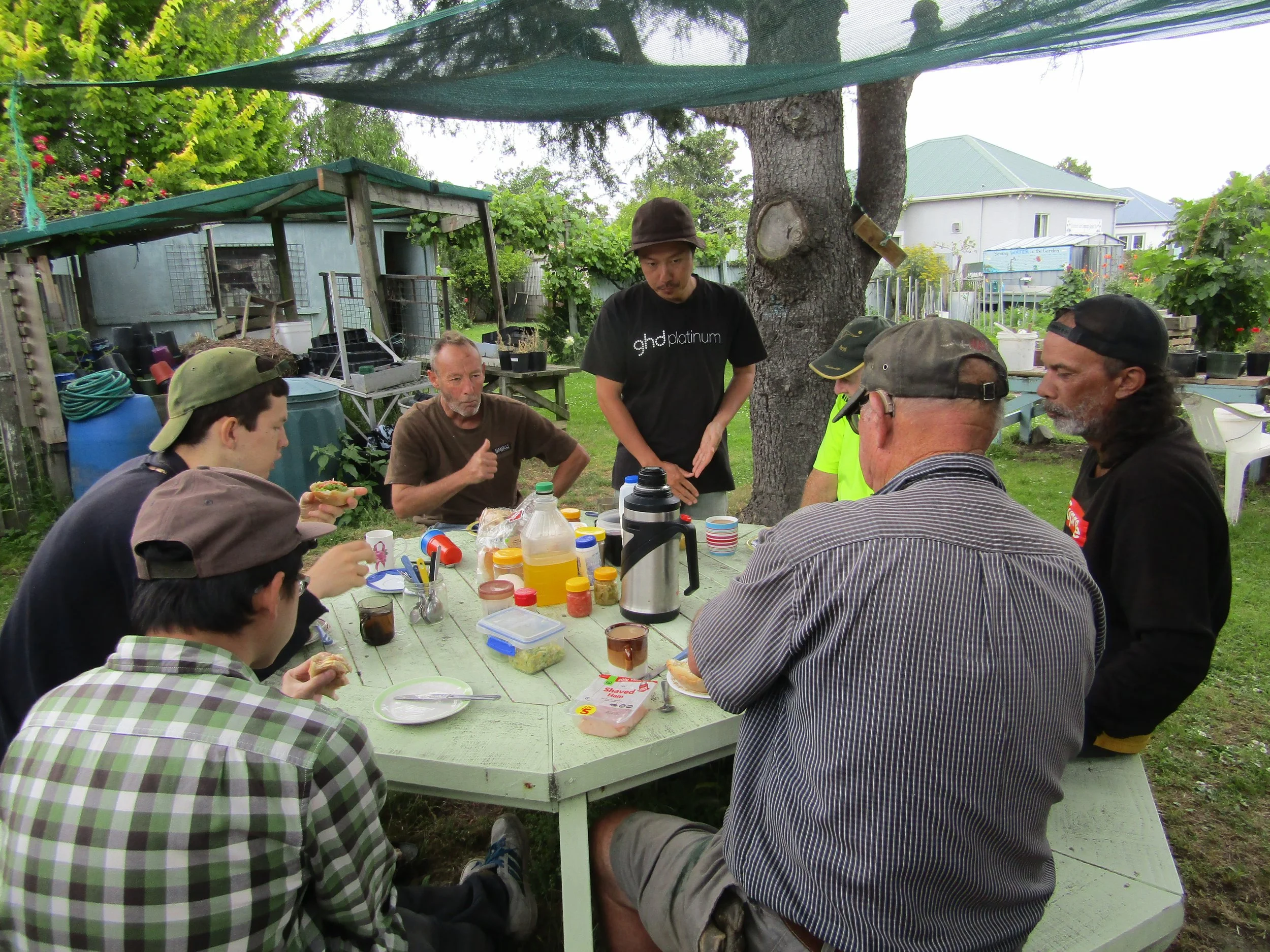
We work with a number of social service providers and community groups to support community development and social wellbeing in our area. Volunteers and community supporters are given first access to plants and produce in exchange for labour and materials for our resource centre. We are currently in the process of redeveloping our ‘Tea for Ten’ programme that provides residents from nearby rest homes with afternoon tea and the opportunity to socialise and gather in an outdoor setting.
We also have worked with WINZ supporting individuals on ‘Job Connects’, helping them build confidence in a structured work environment while sharing valuable horticultural skills. Read our Social Services Policy here.

Waste Minimisation
Helping to reduce community waste through smart resource use
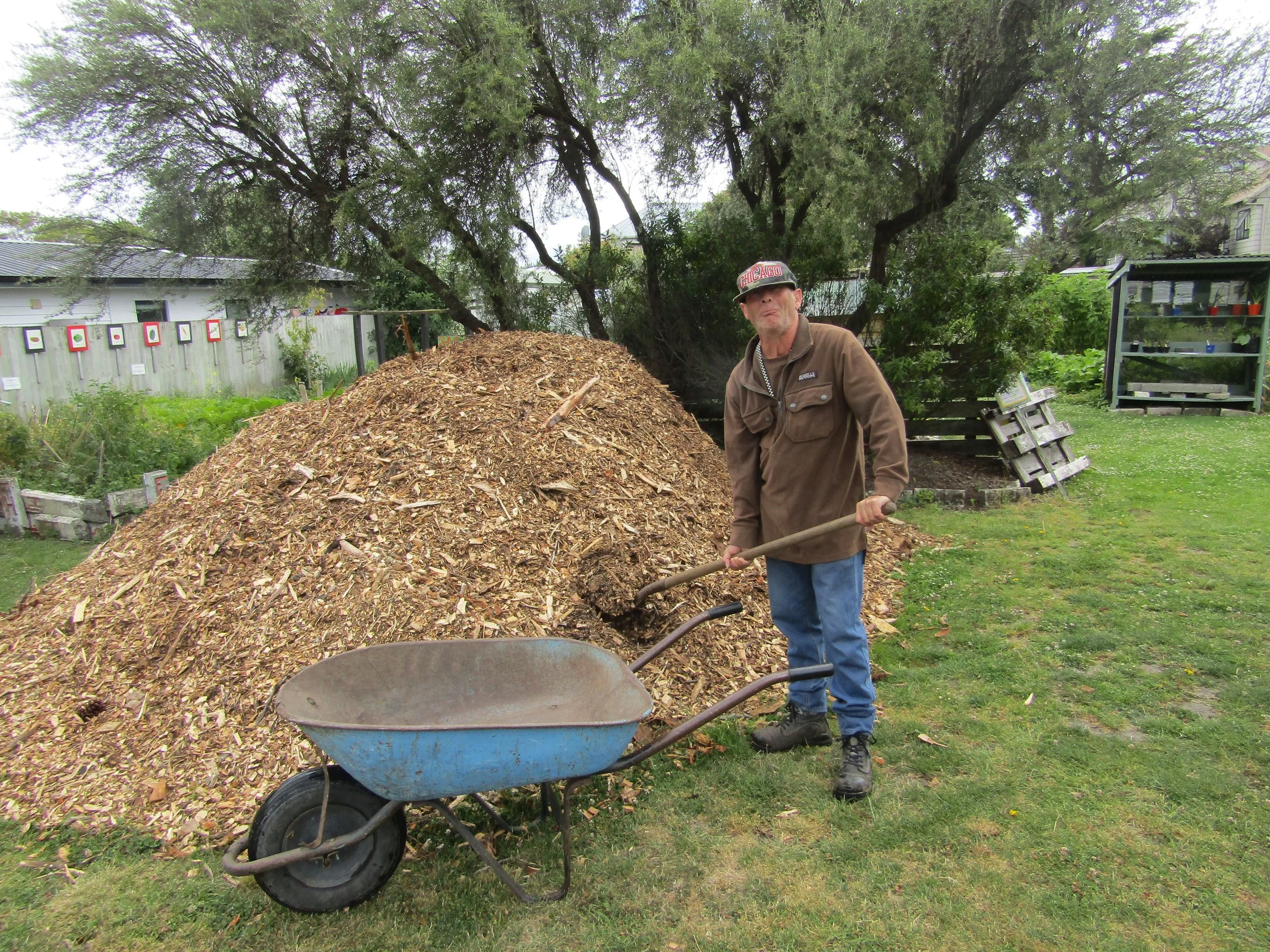
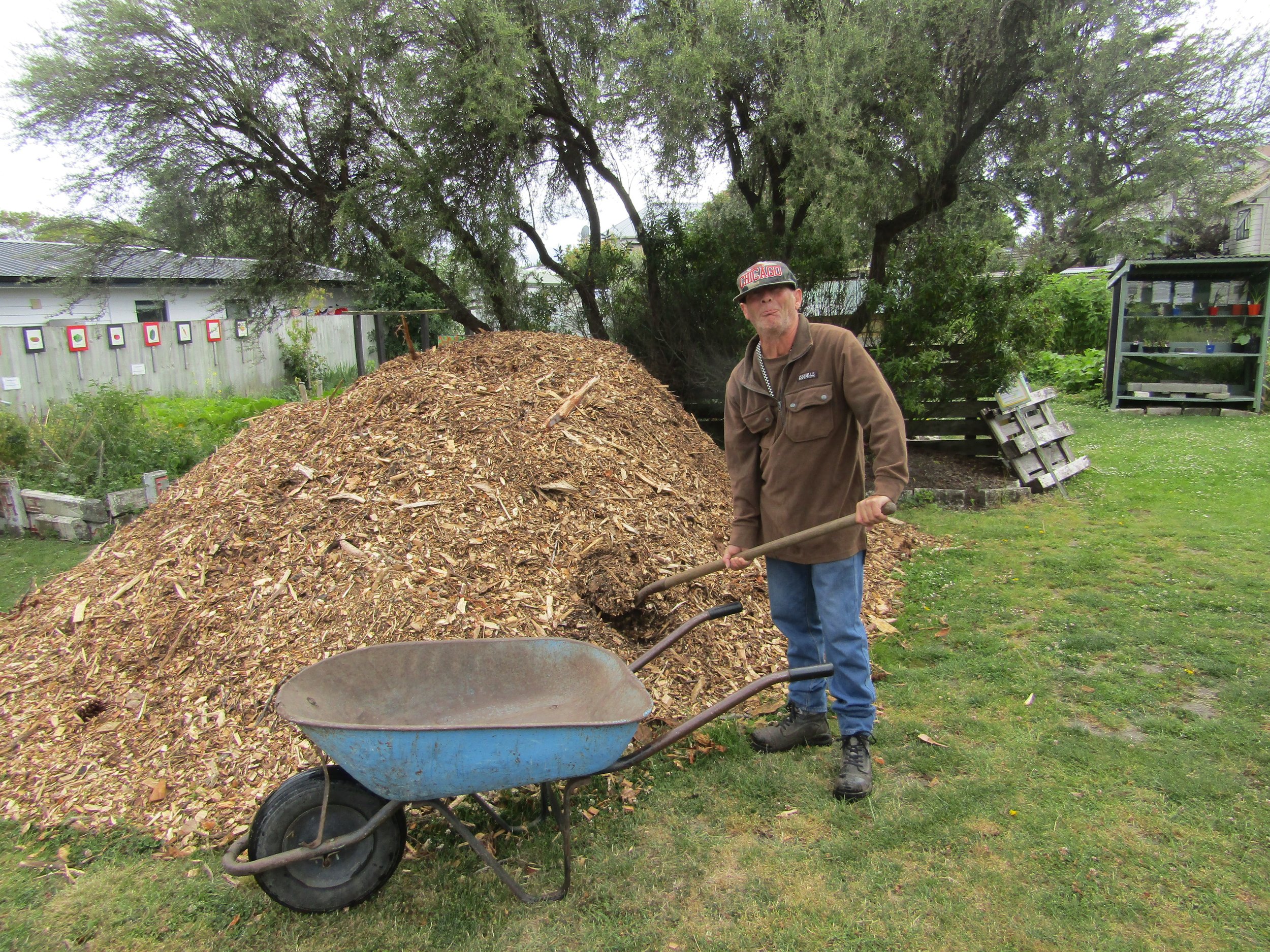
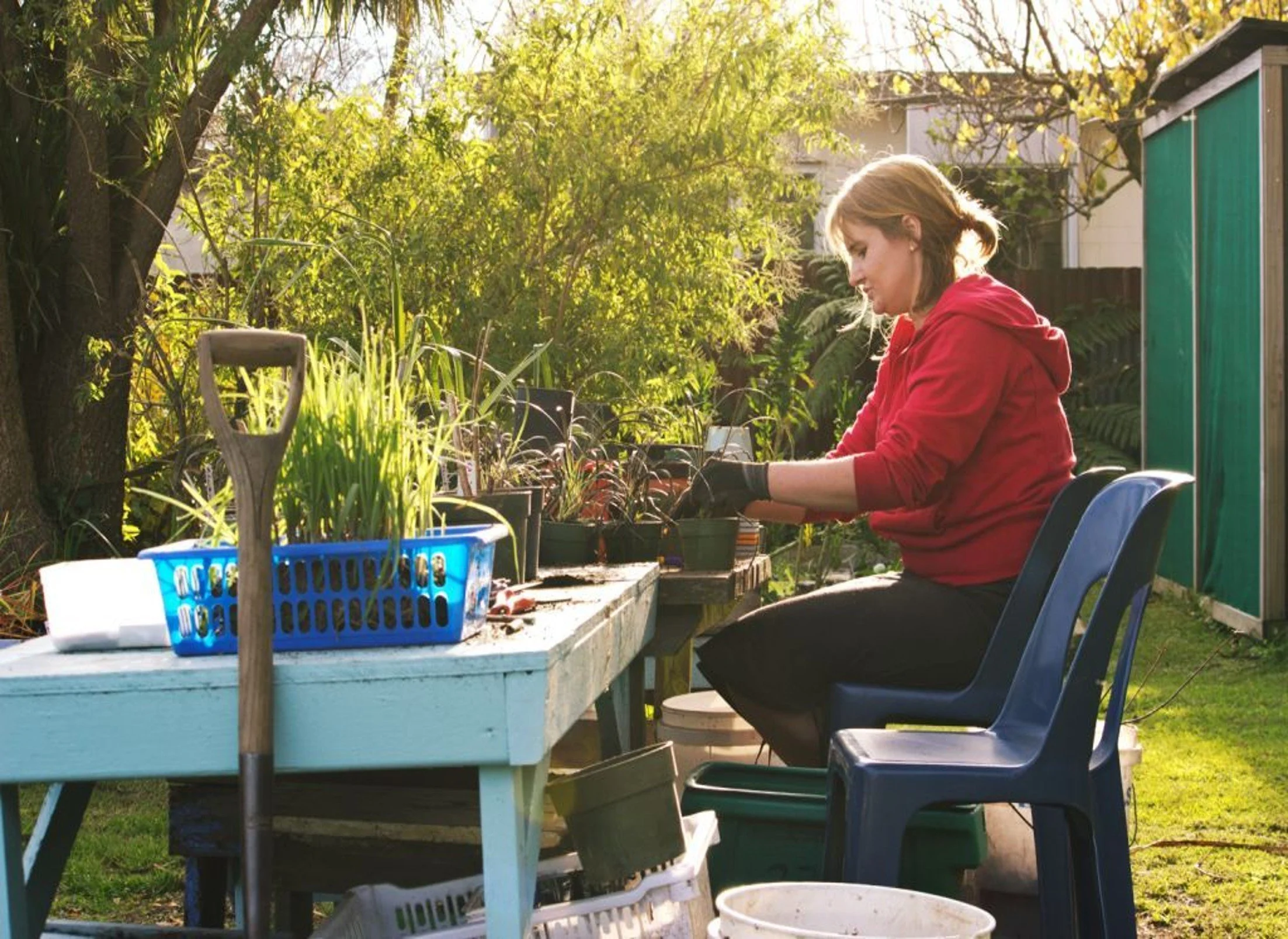
On average, through our Christchurch South Waste Minimisation scheme we process 30 metric tonnes of waste a year, including 24 tonnes of organic and 6 tonnes of inorganic waste. We collect community food waste that is processed through our multi-stage composting system, with the compost produced used for crop production, sold as a fundraiser or donated to other community organisations on a needs basis. We source recycled building materials and second hand appliances when possible and collect jars, plastic milk bottles, and other materials that we use in the production of our pickles, preserves and jams and worm juice. All plants that we grow in our shade houses are grown in plastic plant trays or pots donated by the community using seed raising mix we produce ourselves. We have participated in waste minimisation programmes offered by Para Kore, that focuses on reducing waste and carbon emissions using a Maori world view of sustainability.
Beautification of the Environment
Beautifying our site through selective planting
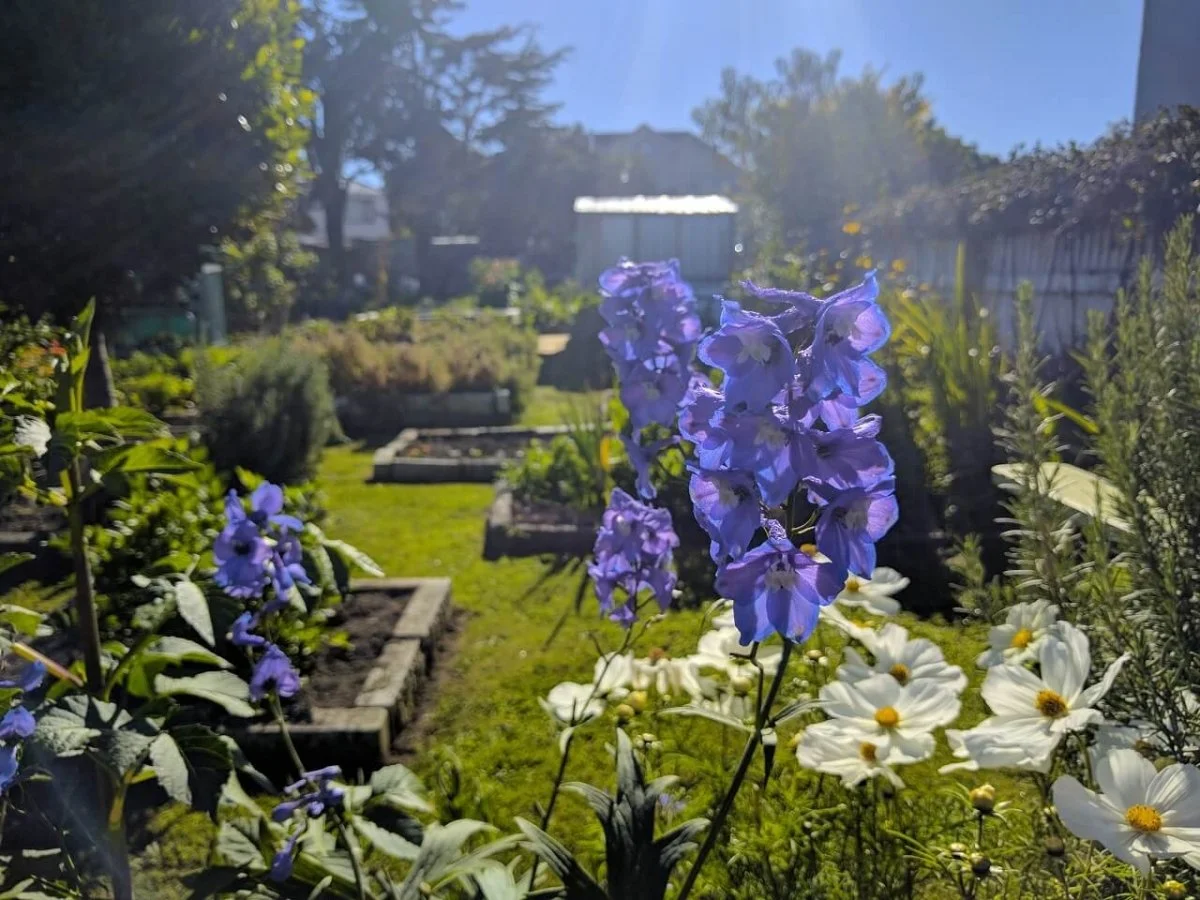
Since taking over the management and improvement of the site from Christchurch City Council in 2000, we have worked hard to beautify the site through the selective use of ornamental plants in between our fruit trees and vegetable crops. Plants like angelica and borage are not only beautiful when flowering but attract beneficial insects like ladybugs and hoverflies. These predator insects feed on insects like aphids, whitefly and mites that can damage crops. Invasive weeds like English ivy and blue morning glory are found throughout Canterbury and on our site. We spend a significant amount of time manually weeding to remove invasive weeds that smother desirable plants and produce seeds that are easily spread by wind and animals like birds. Weeds like black nightshade and staggerweed can quickly take over and crowd out crop plants and natives by competing with them for sunlight and soil nutrients.