Garden with Us - Thursday & Saturday 10:30 am to 2:30 pm - BYO Gloves, Lunch Provided
***
Garden with Us - Thursday & Saturday 10:30 am to 2:30 pm - BYO Gloves, Lunch Provided ***
Our Projects
Beckenham Community Landscape Project
Following the 2010-2011 Christchurch Earthquakes, the trust was looking for a vacant site to beautify and make productive
140 Colombo Street, Sydenham, Christchurch 8023
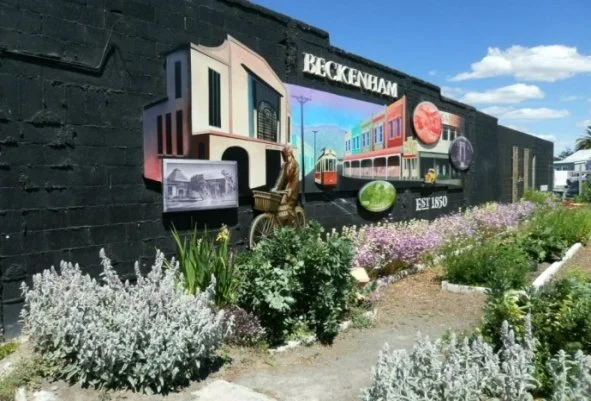
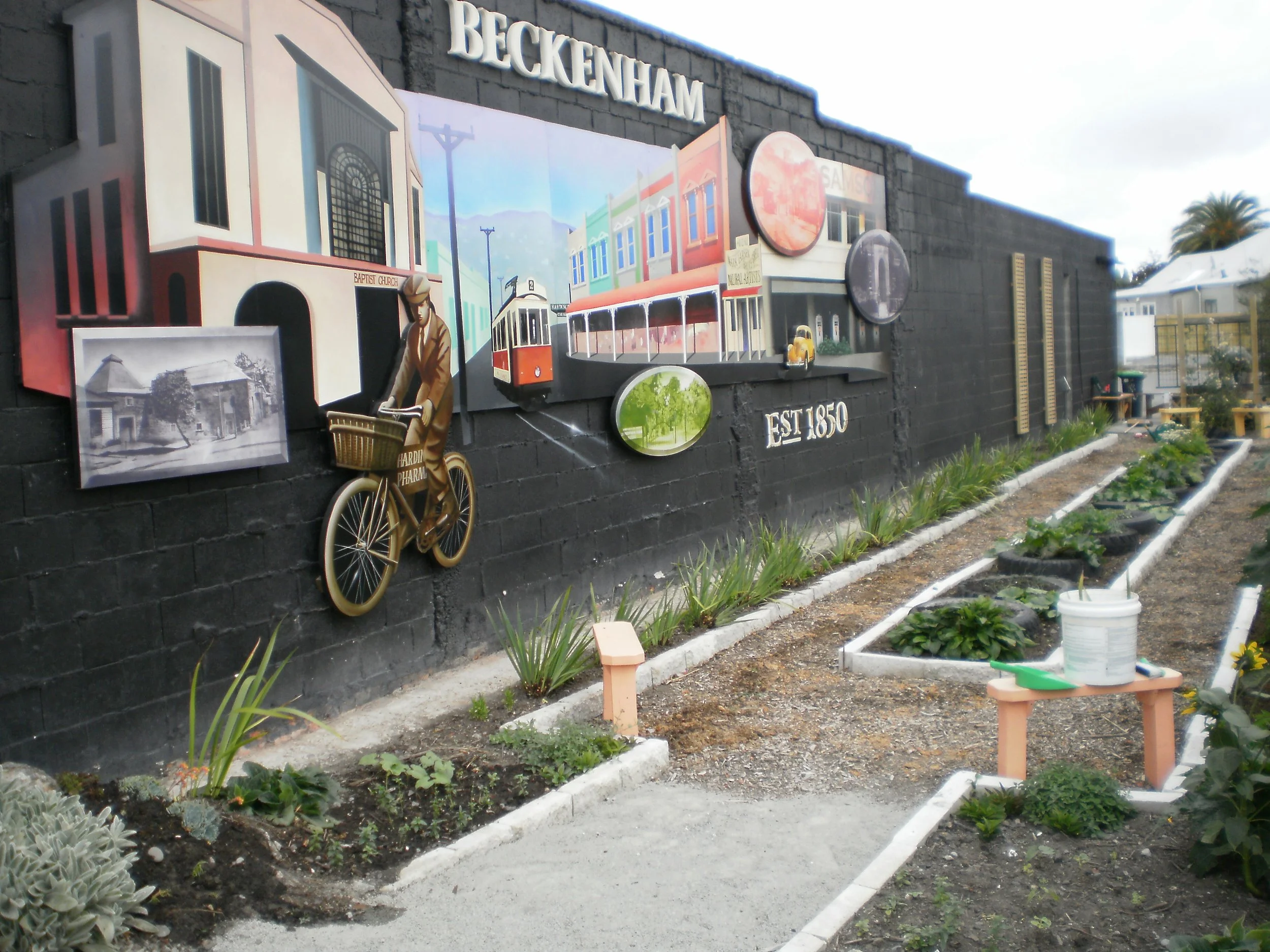
The Beckham Community Landscape Project was commissioned by site owner Eve Harding in 2012 and facilitated by Coralie Winn from Gap Filler. Once a children’s shoe shop – the site, like so many others, was laid bare after the building was demolished. Eve had already commissioned the mural featuring the history of Beckenham – we took on the task of creating a garden in June 2012 which would do the mural justice and create some much needed seating and recreational space for Beckenham as it rebuilds. In February 2017 we achieved a Bronze Award from the Horticultural Society for this site (Summer Garden Competition).
In addition to staff and volunteers of Christchurch Community Gardens Trust, local residents have been actively involved from the start like local artist, Lesley Evans. Community organisations such as Greening the Rubble (now The Green Lab) provided some initial guidance and skilled labour with a team from Community Corrections and a group of Kindergarten Student teachers each working a day on the project.
Three tonnes of brick and rubble have been removed by hand to level the site and 3 tonnes of compost provided by Christchurch South Community Gardens for the new garden beds. All materials used in the construction are recycled excluding the treated timber posts, metal warrants and brush wood fencing. Check out the light box at night – it is to the rear behind the trellis.
There is a work party on site most Tuesdays from 1 pm to 2:30 pm
Sustaining Social Housing Residents
A community action plan for supporting sustainable living on a Christchurch City Council social housing complex
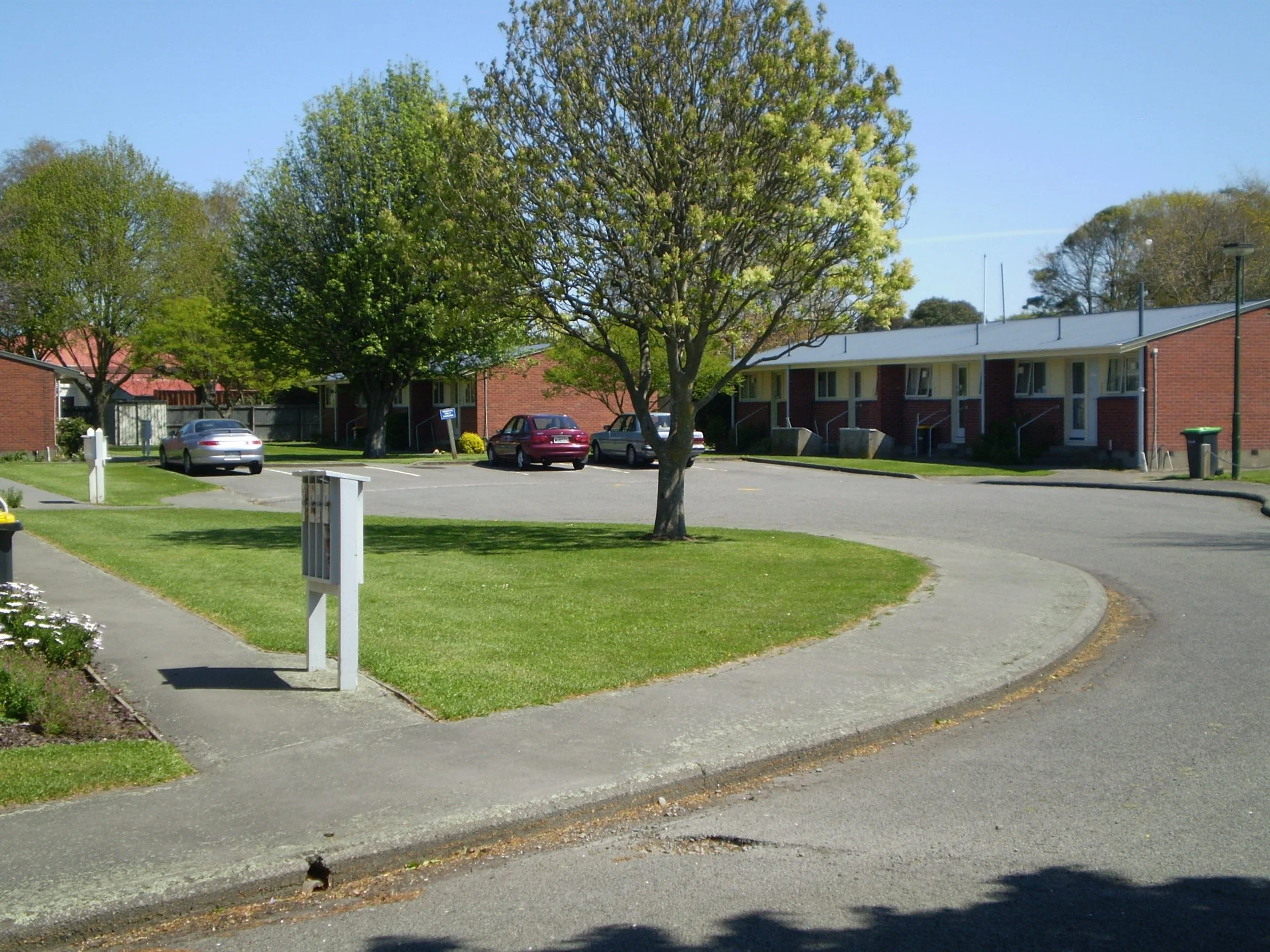
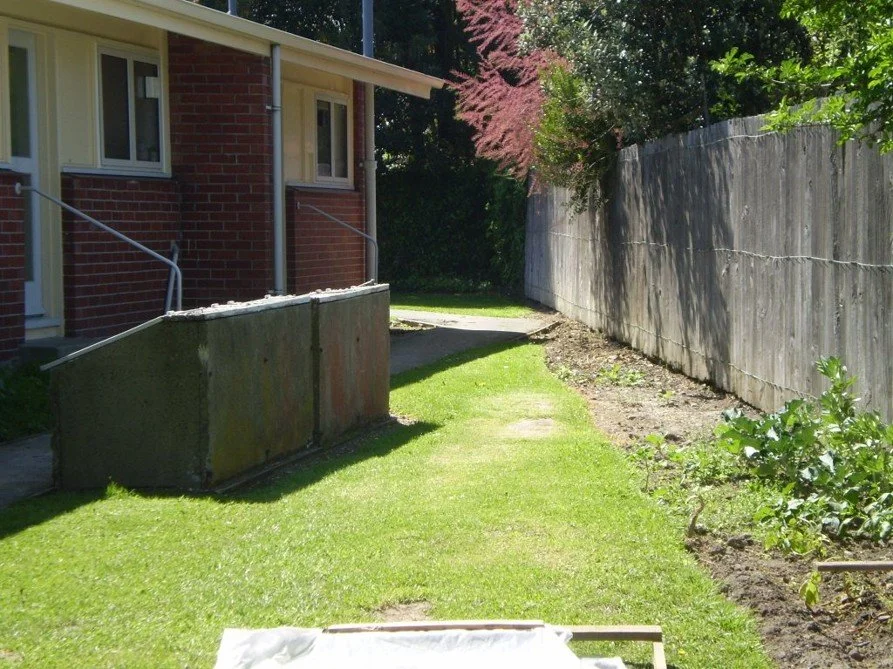
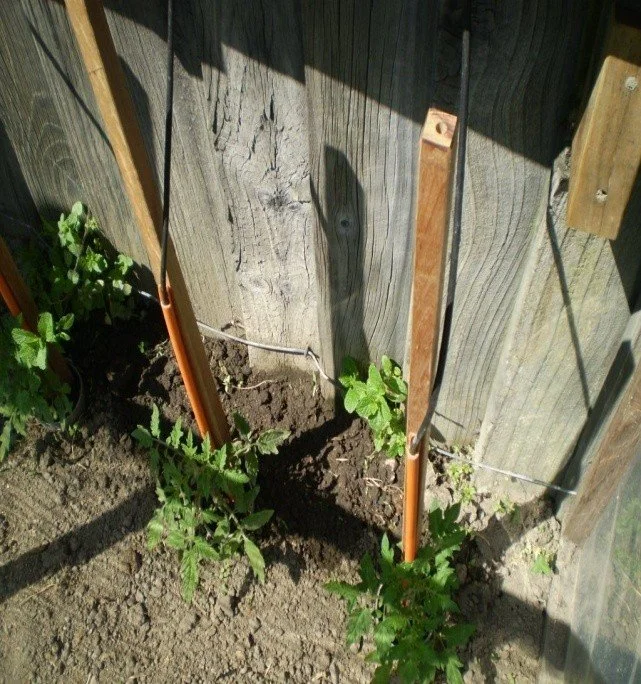
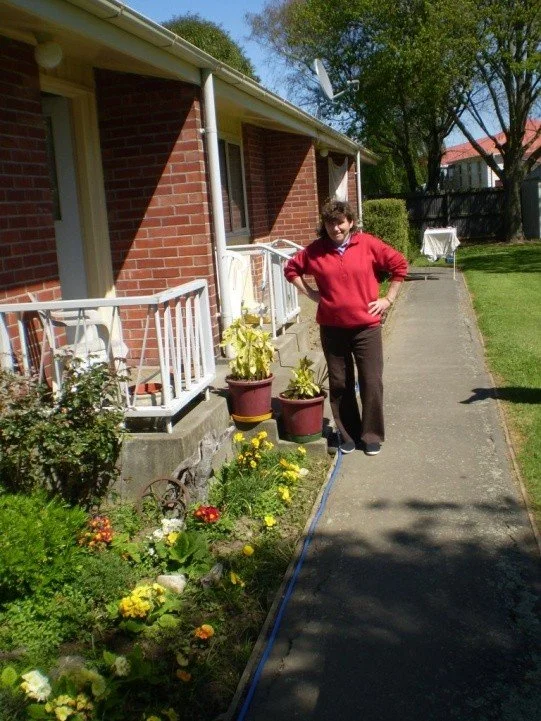
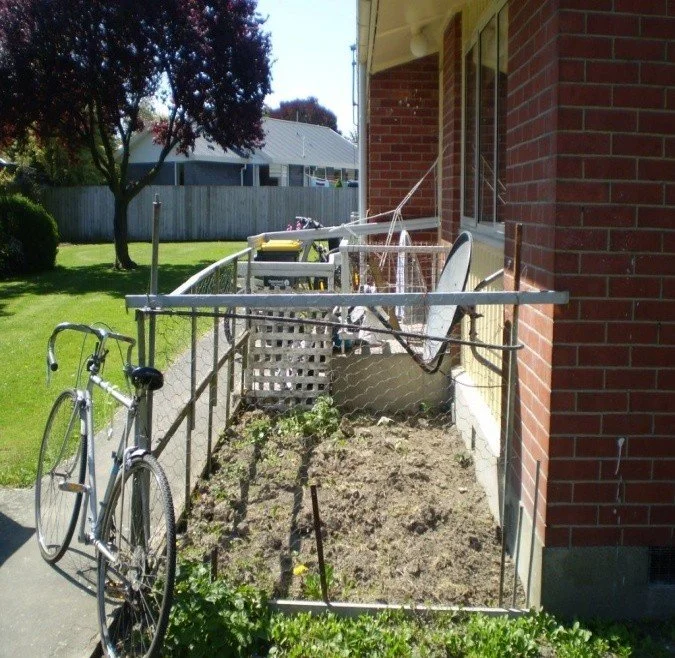
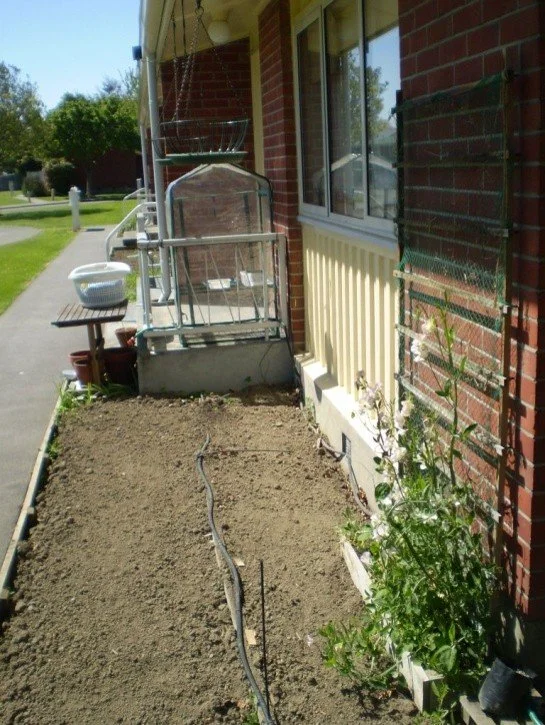
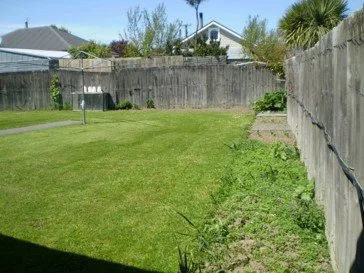
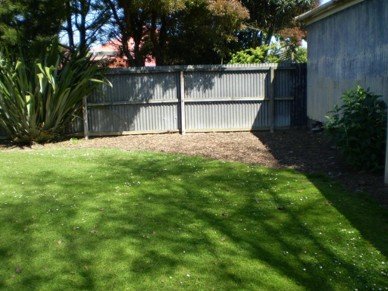
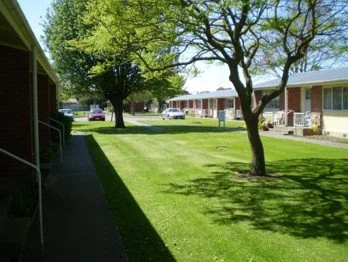
Since 2010 we have been working together with residents at MacGibbon Place to help them create outdoor spaces that better serve their needs. MacGibbon Place is a council-owned social housing complex built in the 1950s consisting of 30 one-bedroom units. Ten out of thirty residents now use their outdoor space for growing vegetables with residents expressing interest in fruit trees and composting in the past. In 2024 we renewed our contact with MacGibbon Place residents and the Otautahi Community Housing Trust that manages the units to continue to deliver gardening support for residents. The trust provides gardening support in the form of tools, seeds, plants, compost, fertiliser, worm farms and horticulture advice. We have negotiated with CCC to plant fruit trees and berry bushes on site and have provided residents with bird feeders, information on garden fauna and water conservation. An exchange system allows for residents to residents exchange glass jars used in our pickles and preserves for compost. Currently there are a few corner areas and areas along sunny fence lines that we hope to develop for fruit trees and compost production in the future.
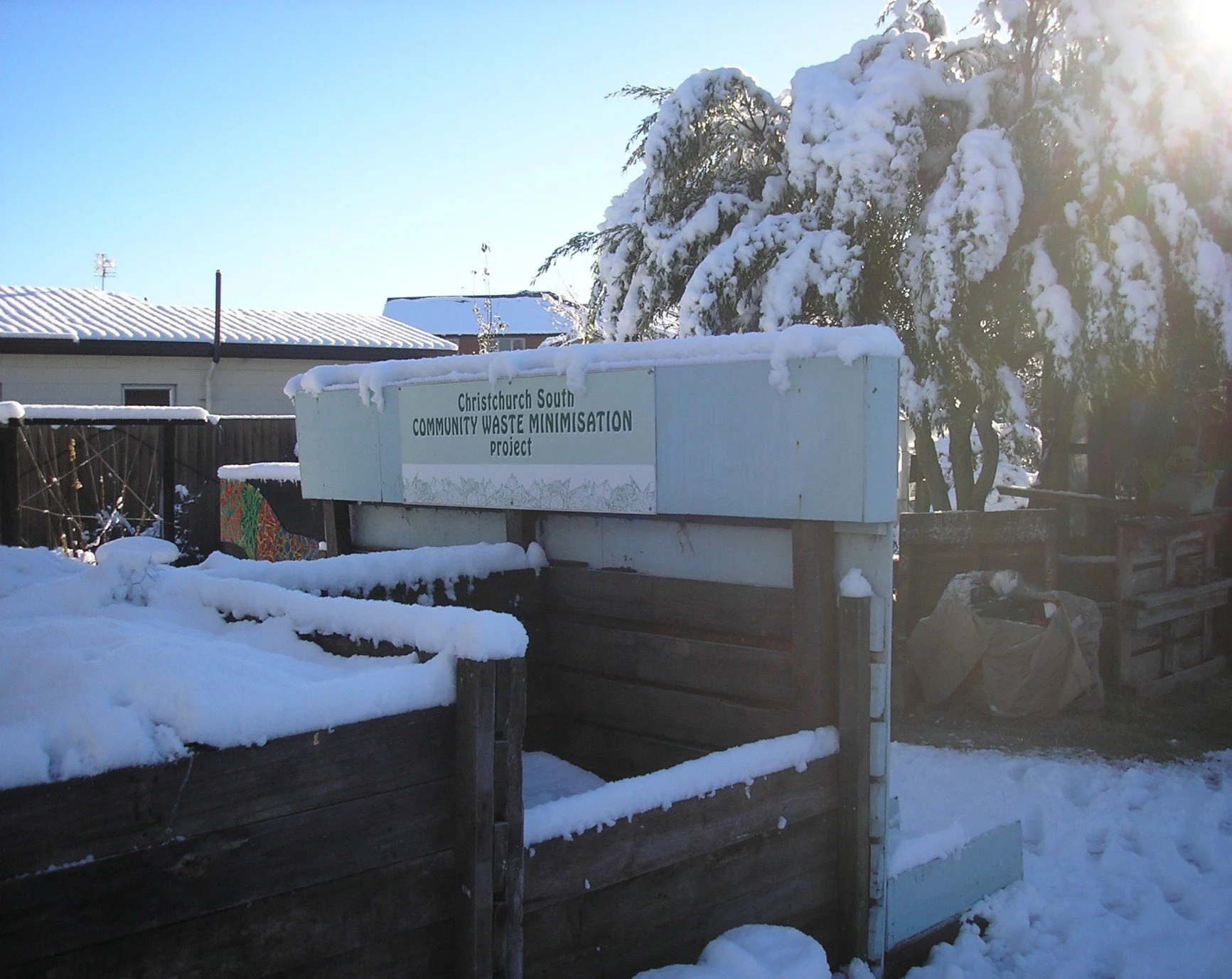
Christchurch South Community Waste Minimisation Project
Diverting organic waste from Rubbish to Resource
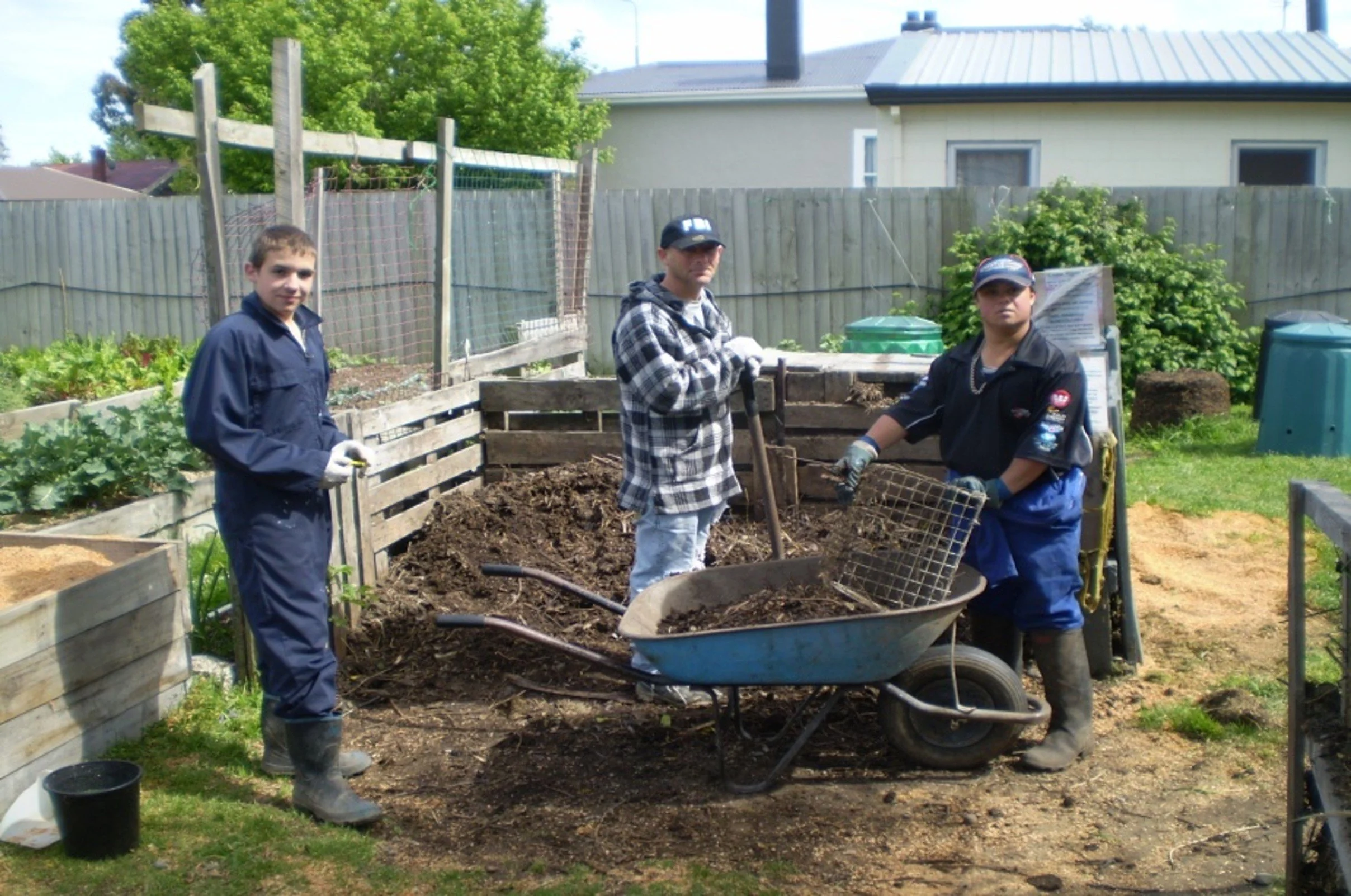
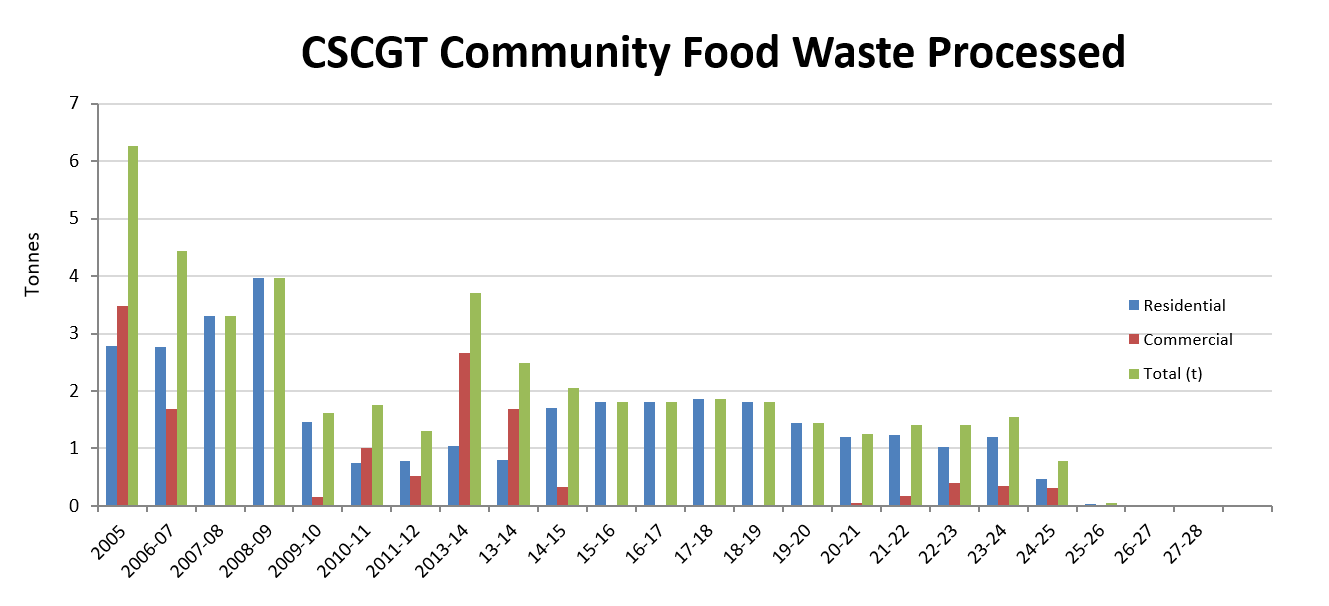
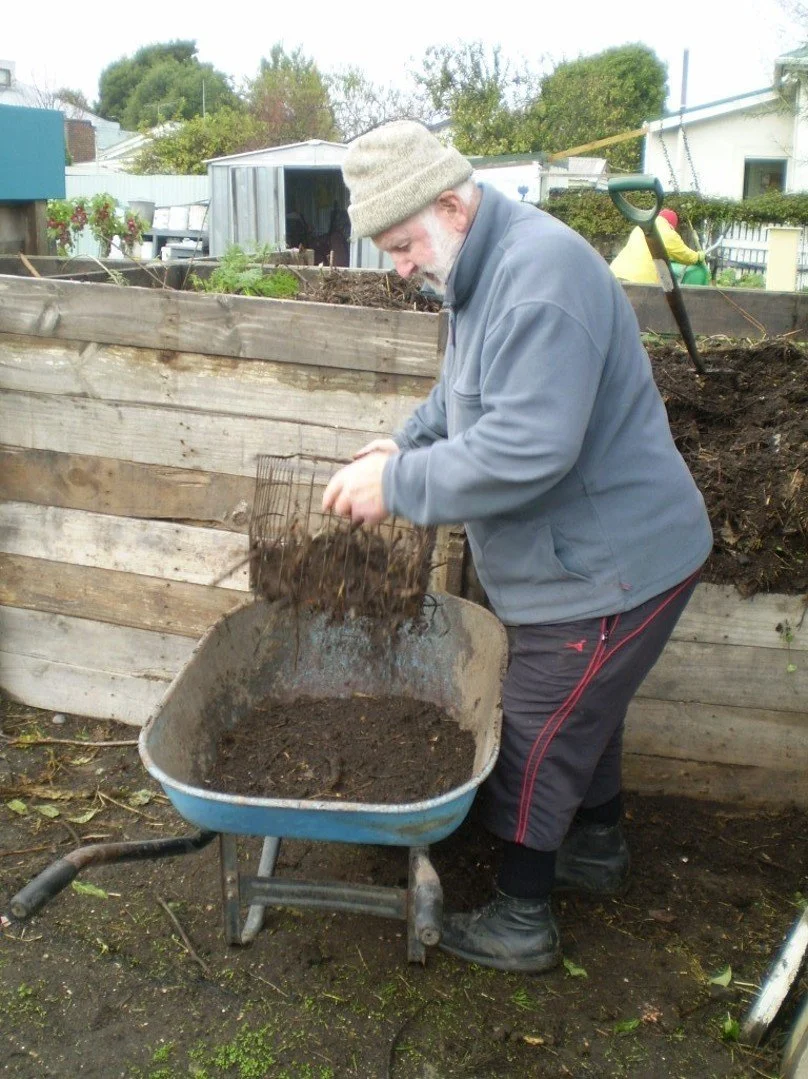
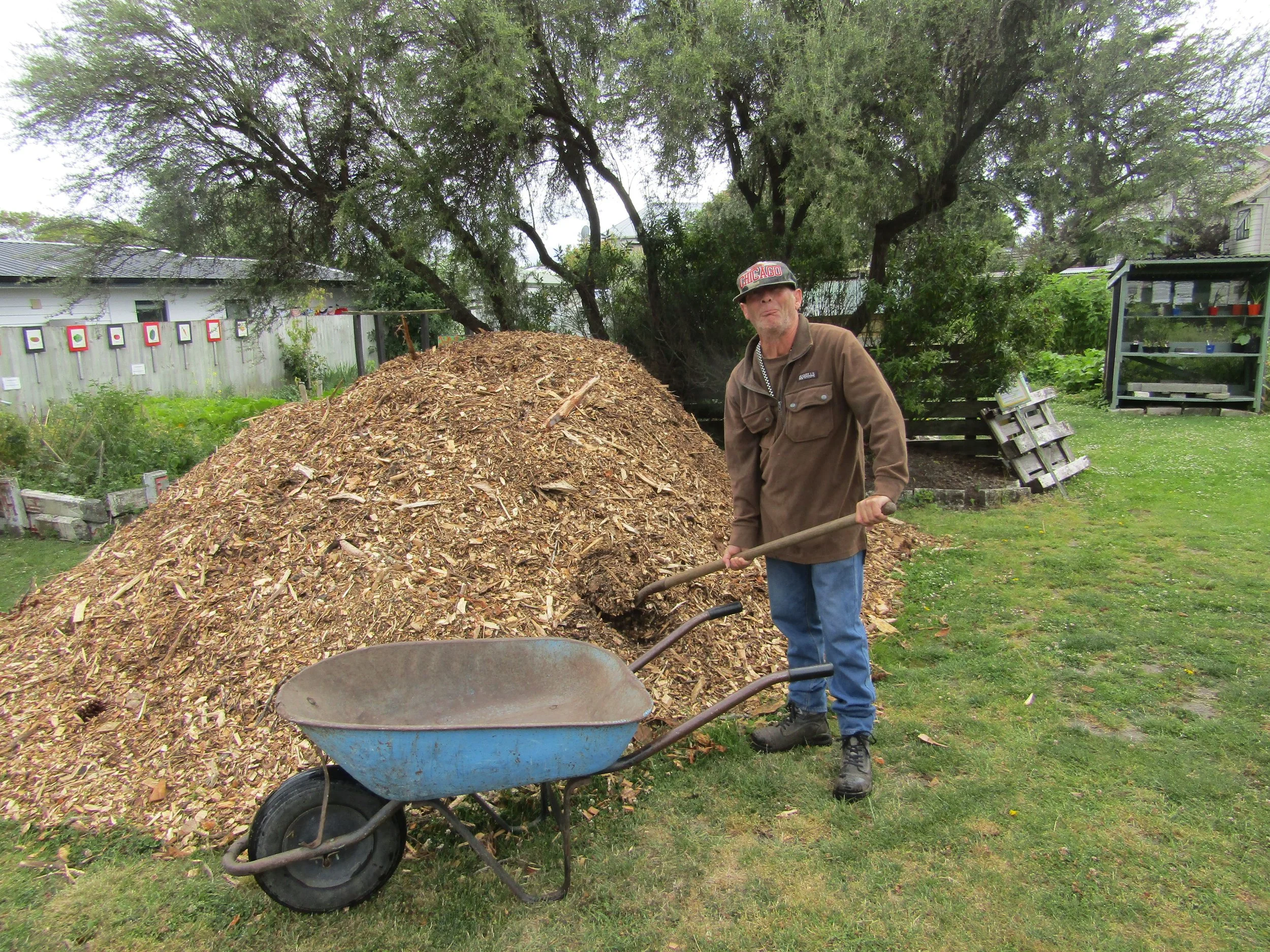
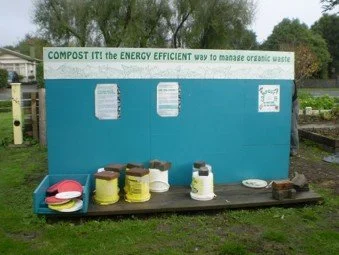
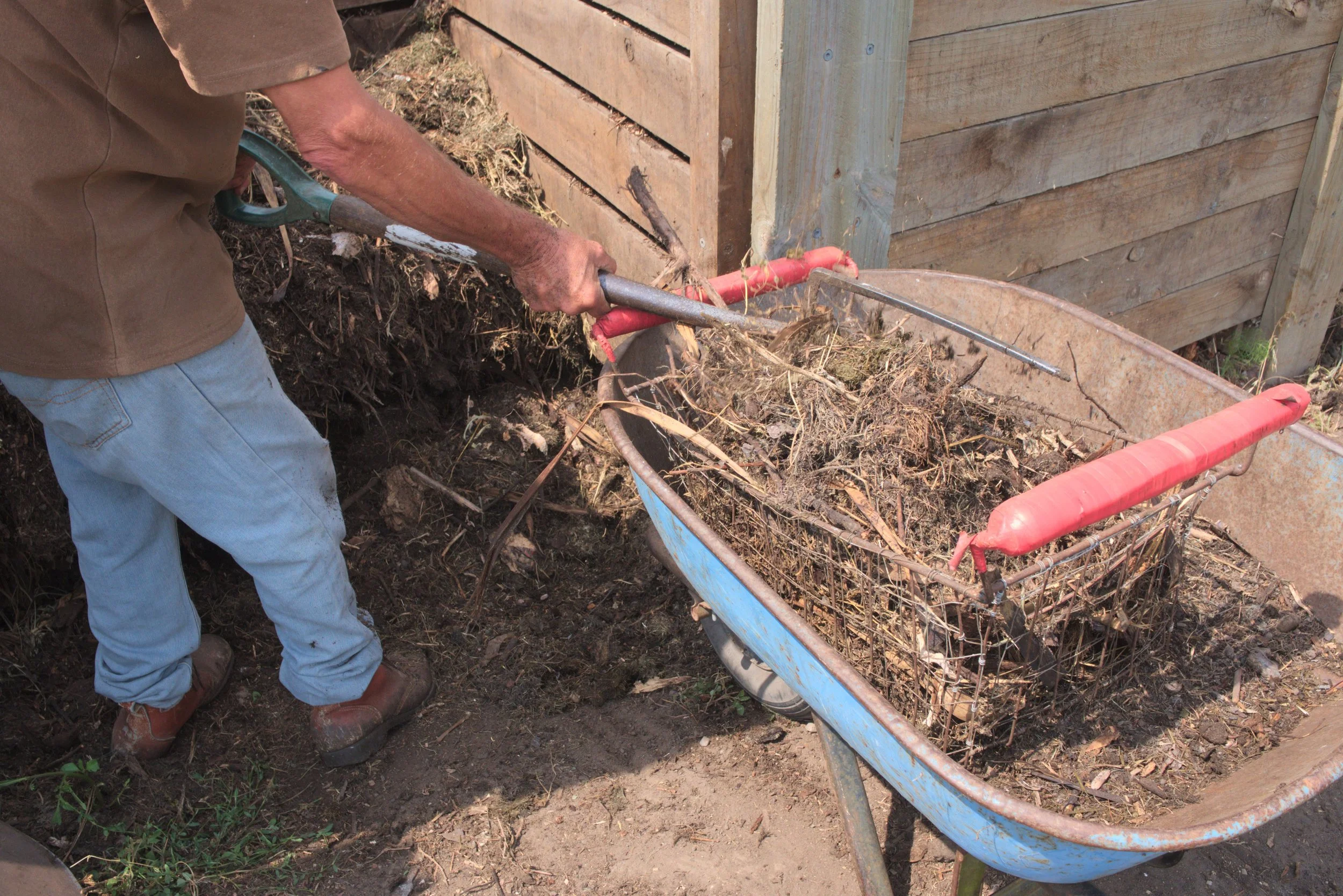
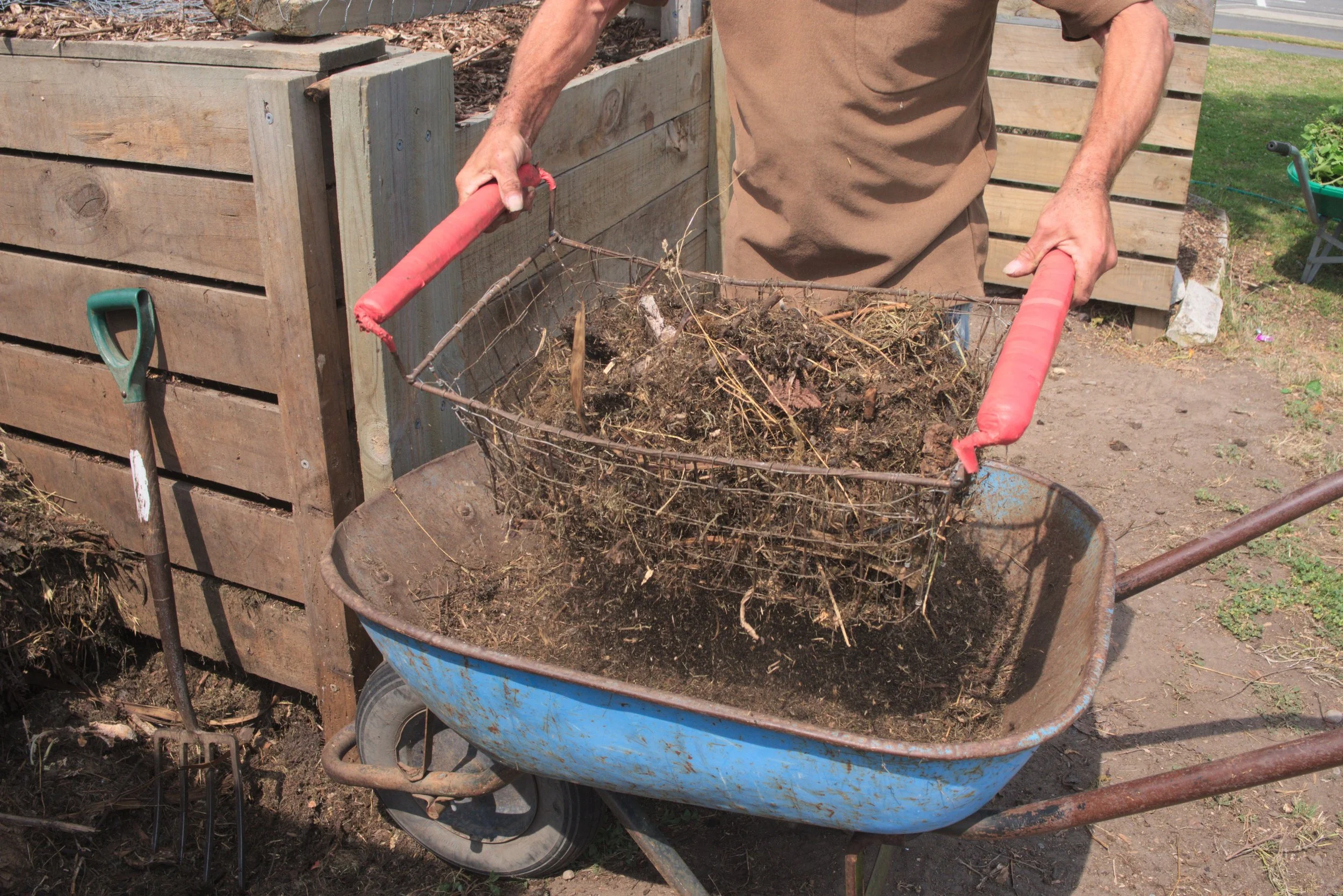
Over the past 18 years our Community Gardens on Strickland Street have developed a successful and popular residential kitchen and green waste recycling system. We now process 2+ tonnes of residential food waste and 10+ tonnes of green waste/year . This local resource produces over 10 tonnes of compost/year for the gardens and to supply back to the community. In total we process 25+ tonnes of community waste p.a. . See our waste audit list for the range of items we recycle.
We really enjoy providing this service, but a steady increase in local population density means we are fast reaching capacity so encourage those who have the space to make their own compost at home . The best way to learn how is to visit us and get involved in our composting activities. We are happy to include you in our composting advisory service which offers advice to people in their own home garden situation.
We believe that a neighbourhood based approach to waste processing works for the benefit of both people and the environment, and complements centralised efforts to reduce waste to landfill.
Schools Programme
We invite local schools to participate in the Christchurch South Waste Minimisation project.
We have several programmes that will reinforce what students learn at school about waste minimisation and responsible consumption through a fun, interactive and structured programme.
Local schools we have previously worked with include:
Somerfield School
Hagley College
Ao Tawhiti Unlimited Discovery School
Addington Te Kura Taumatua Primary School
Sacred Heart School
To date, our programmes have been aimed mainly at primary school level, however we welcome the involvement of intermediate and secondary school pupils and teachers. Our aim is to influence households, so we are interested in evaluating how extension activities in the school setting can have a positive impact on waste minimisation at home.
Successful past programmes that we have delivered are outlined below.
Past Programmes
-
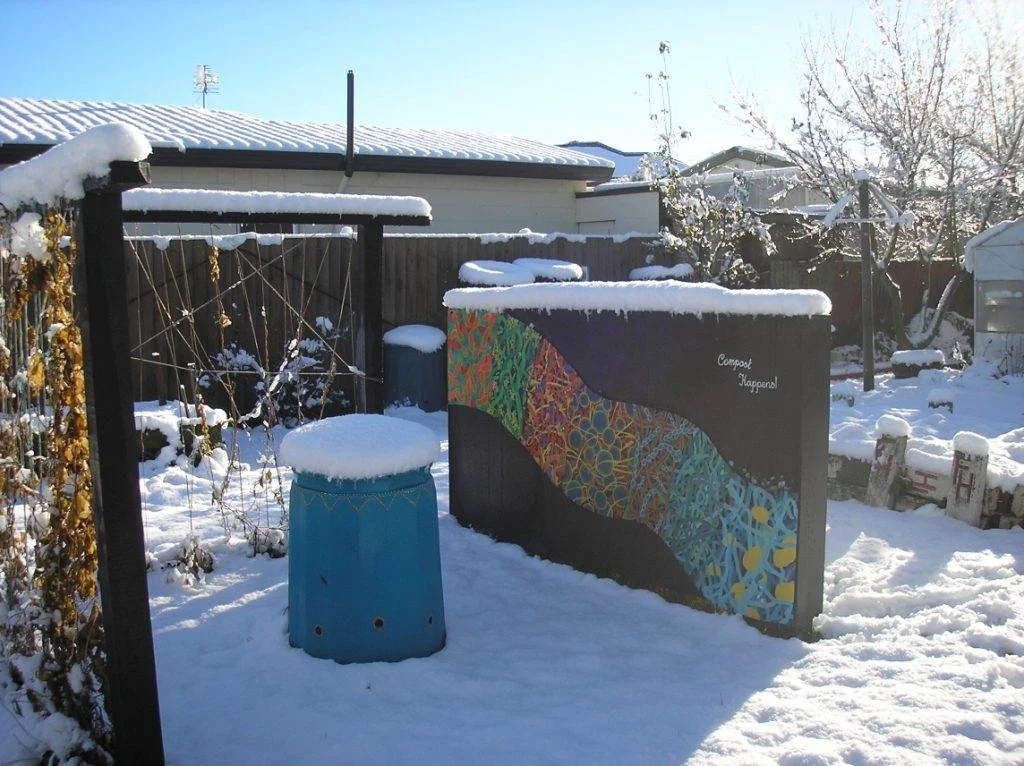
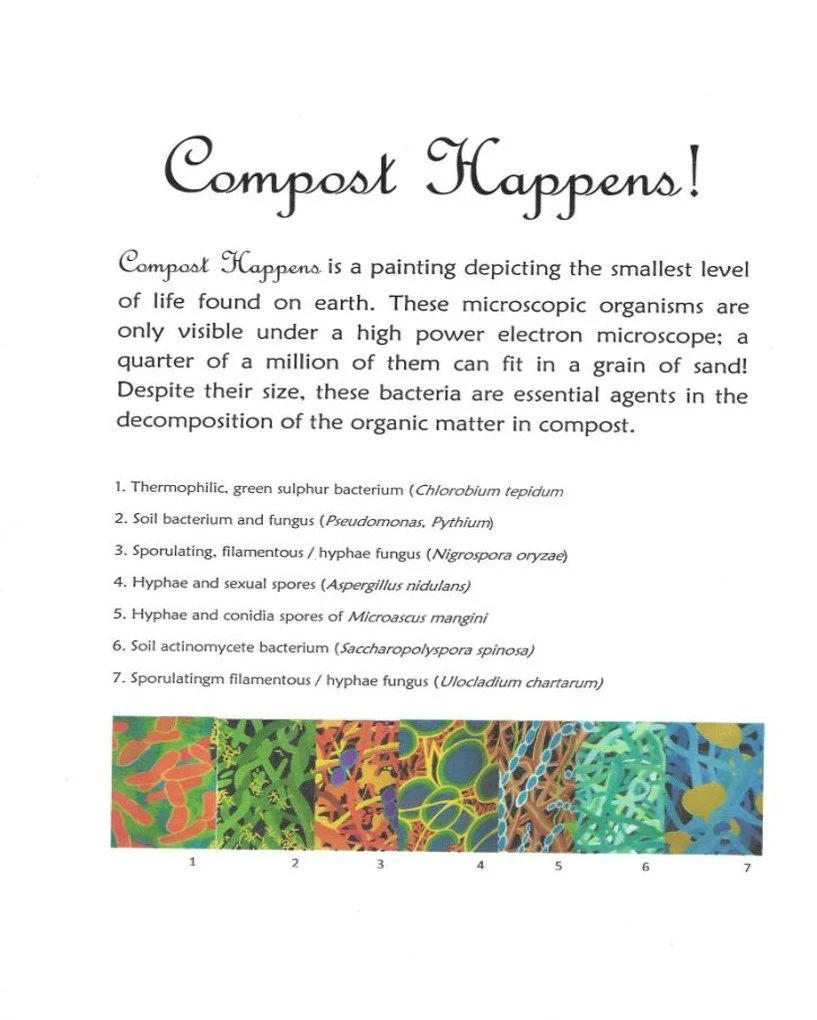
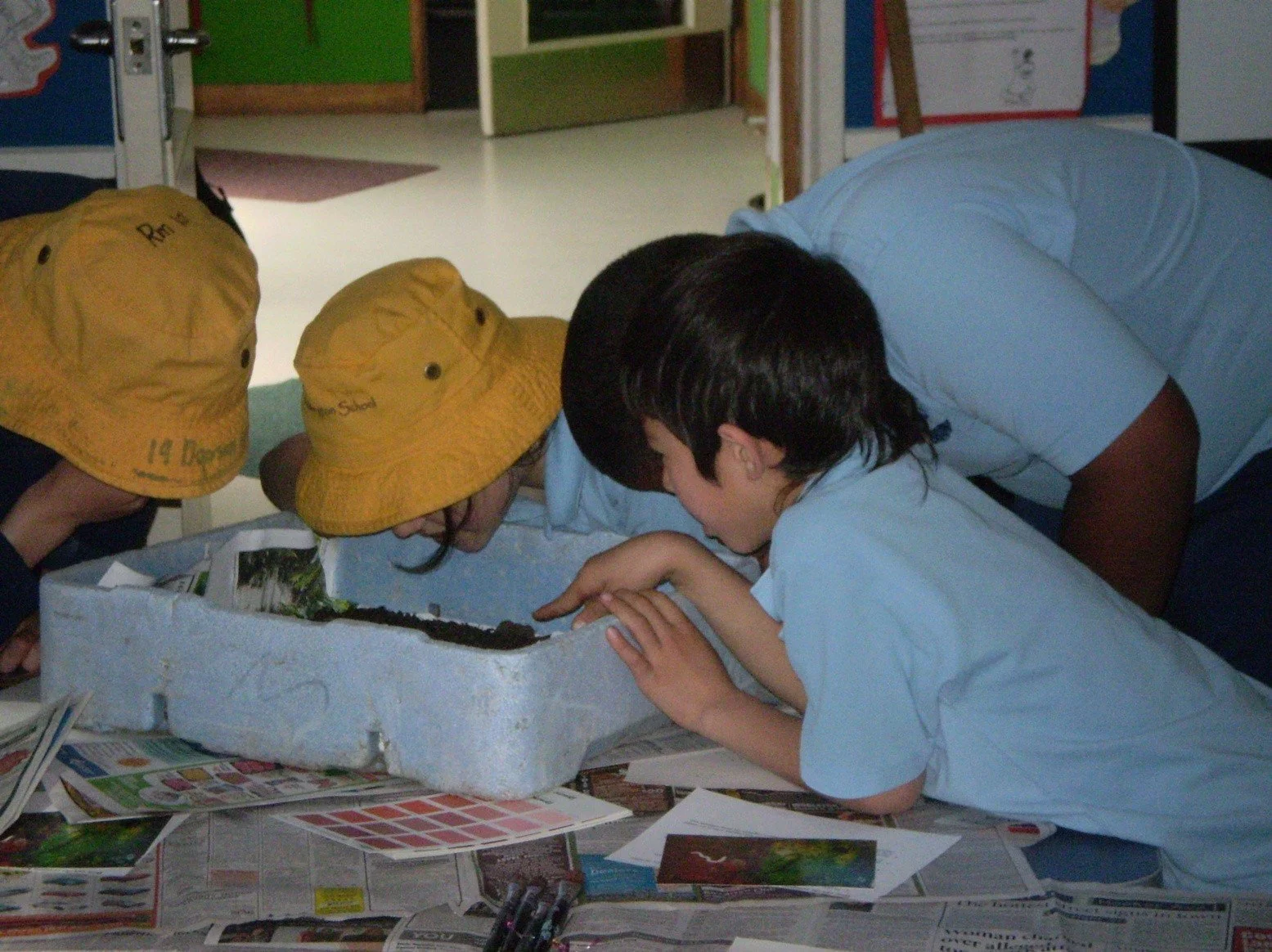
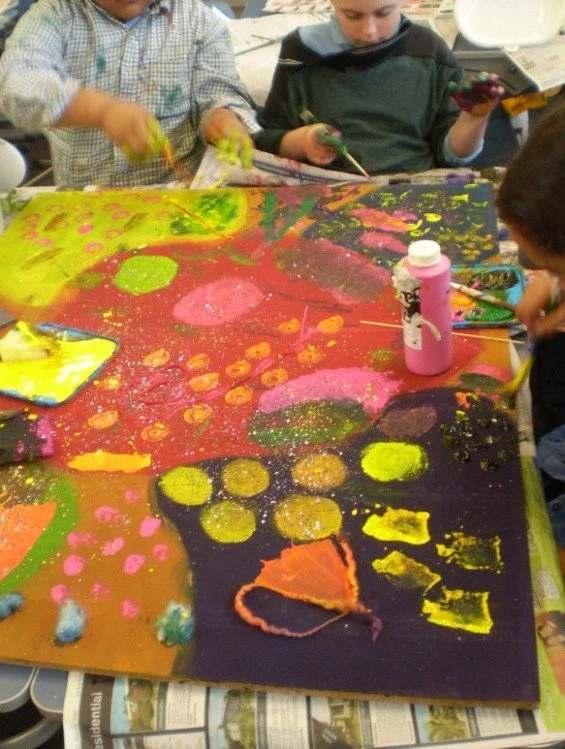
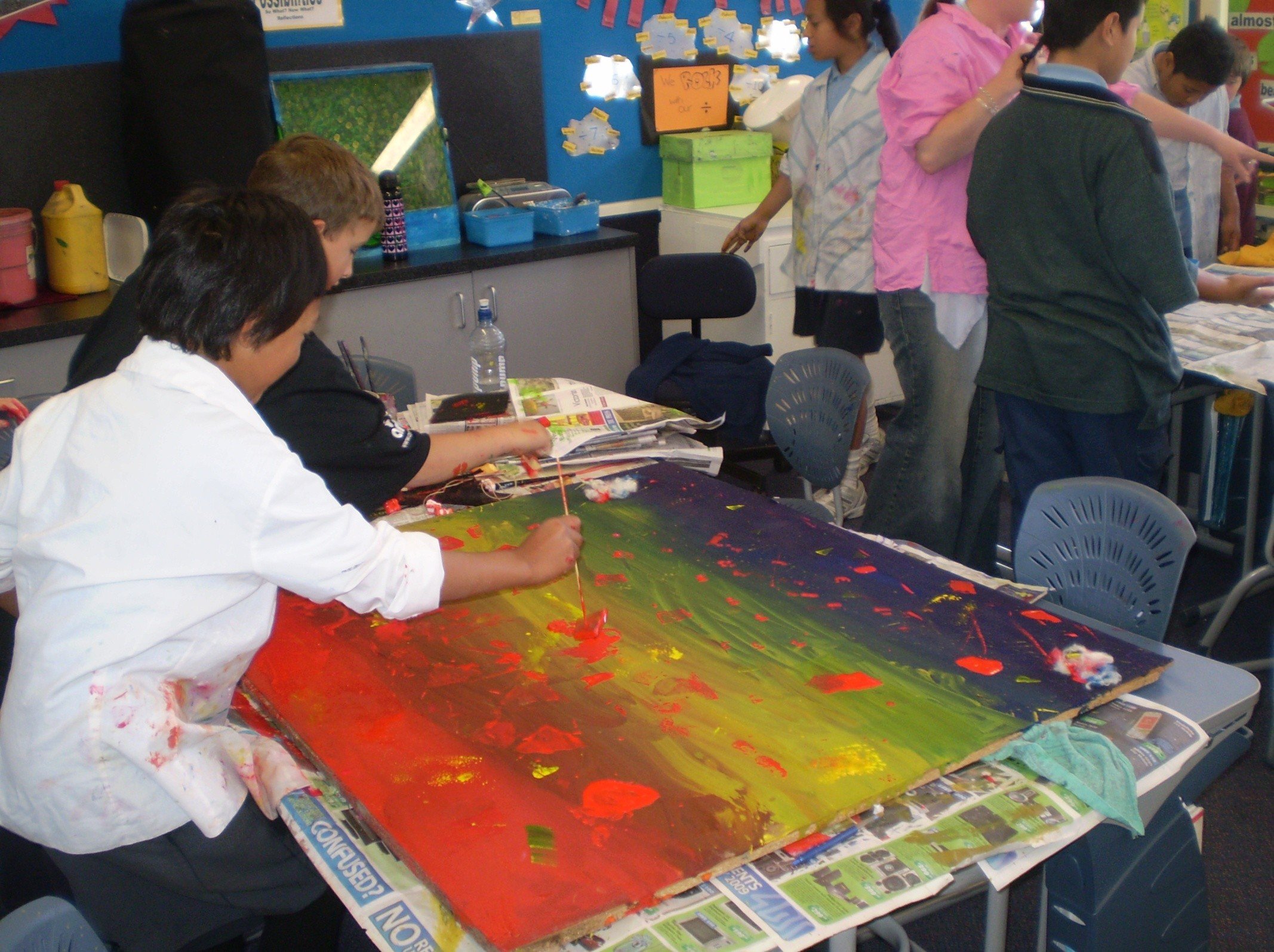
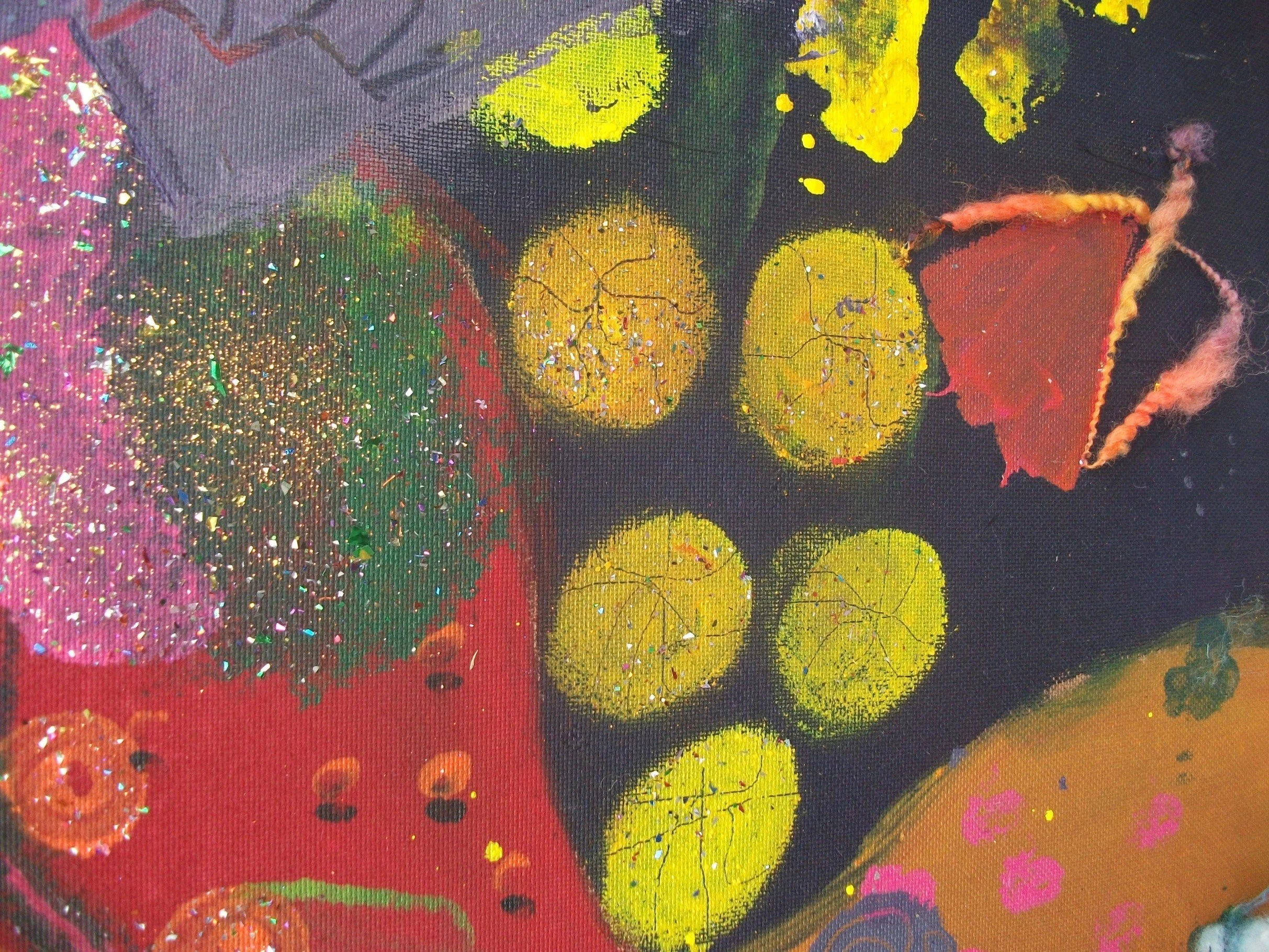
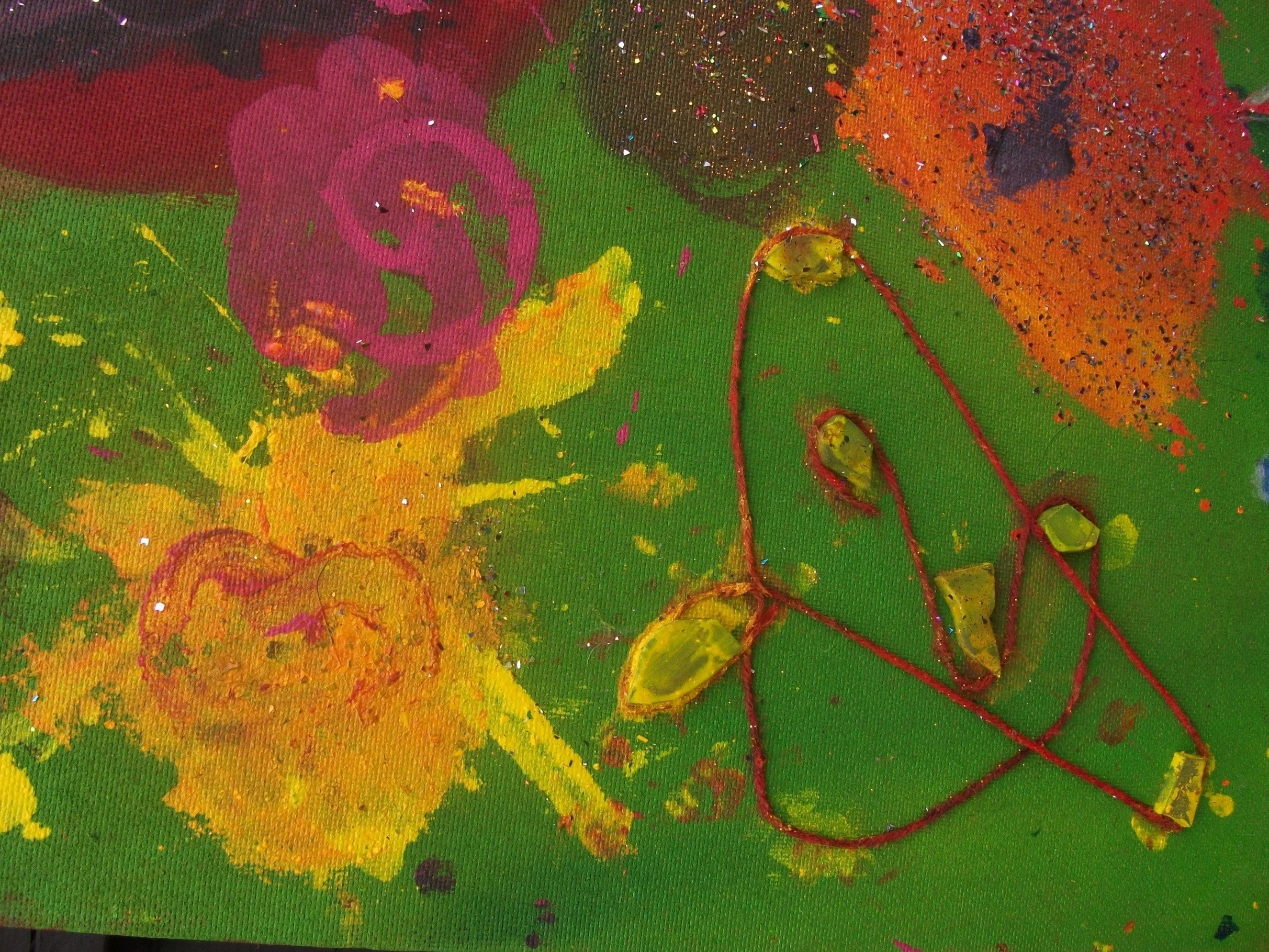
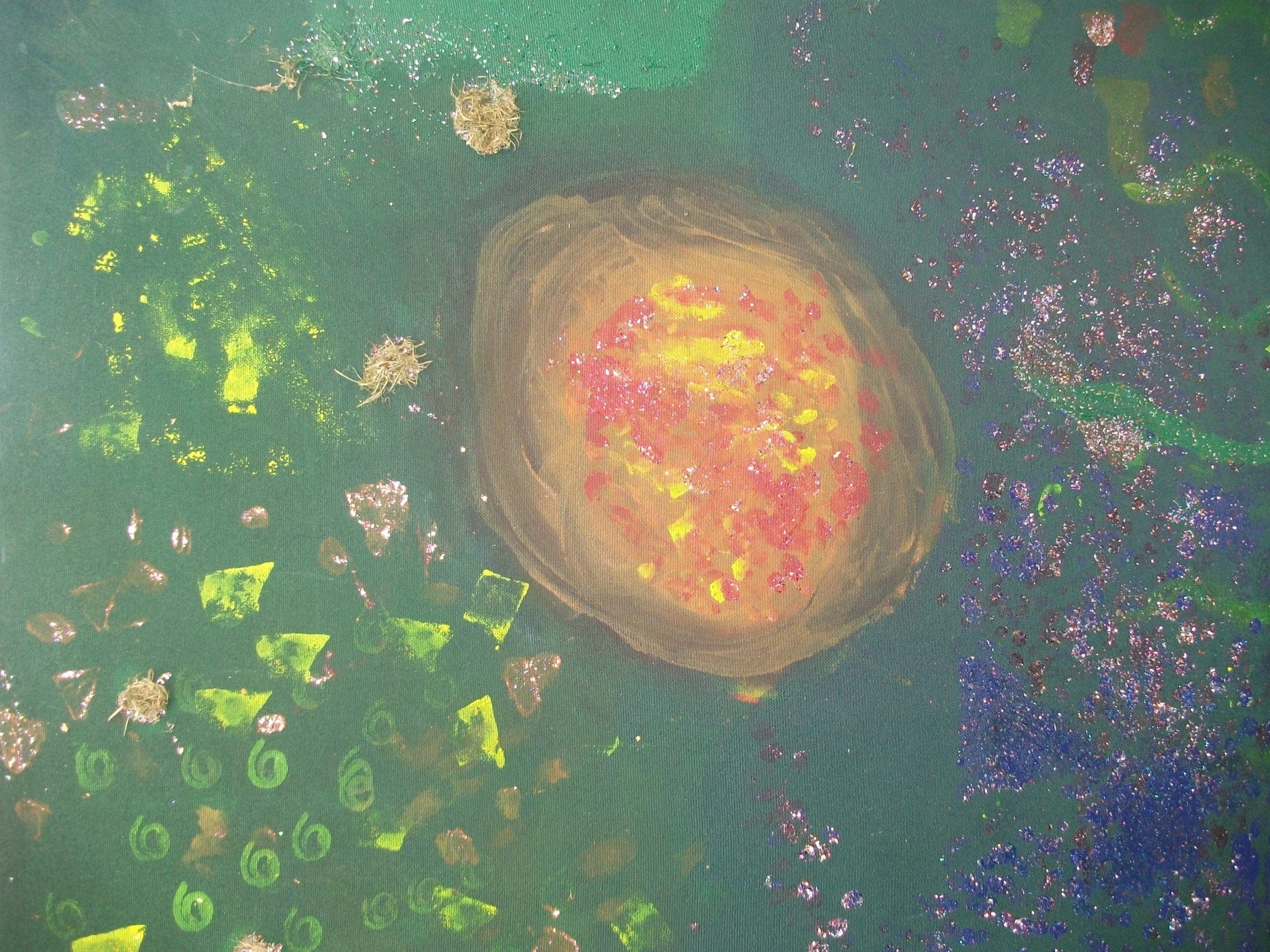
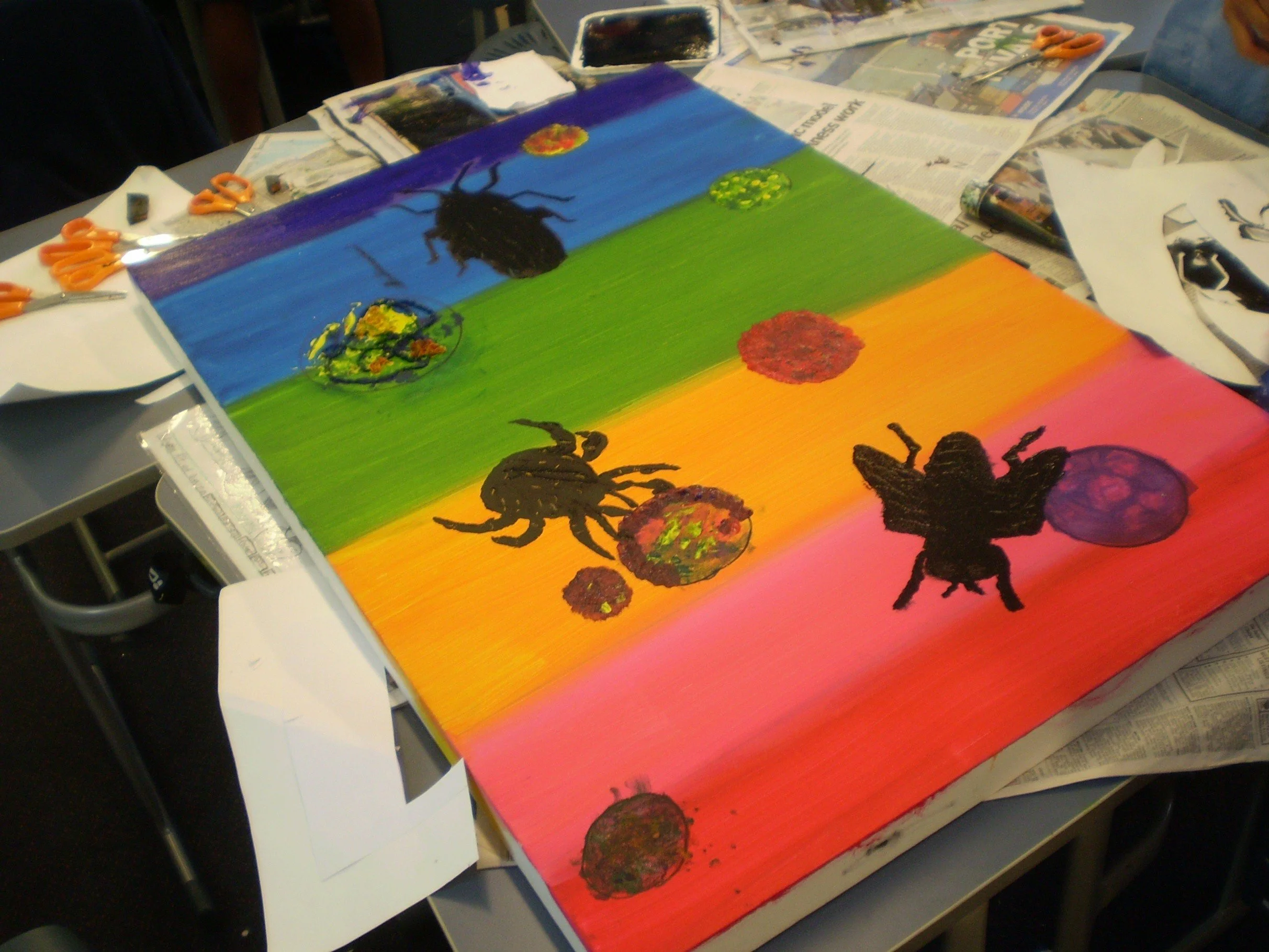
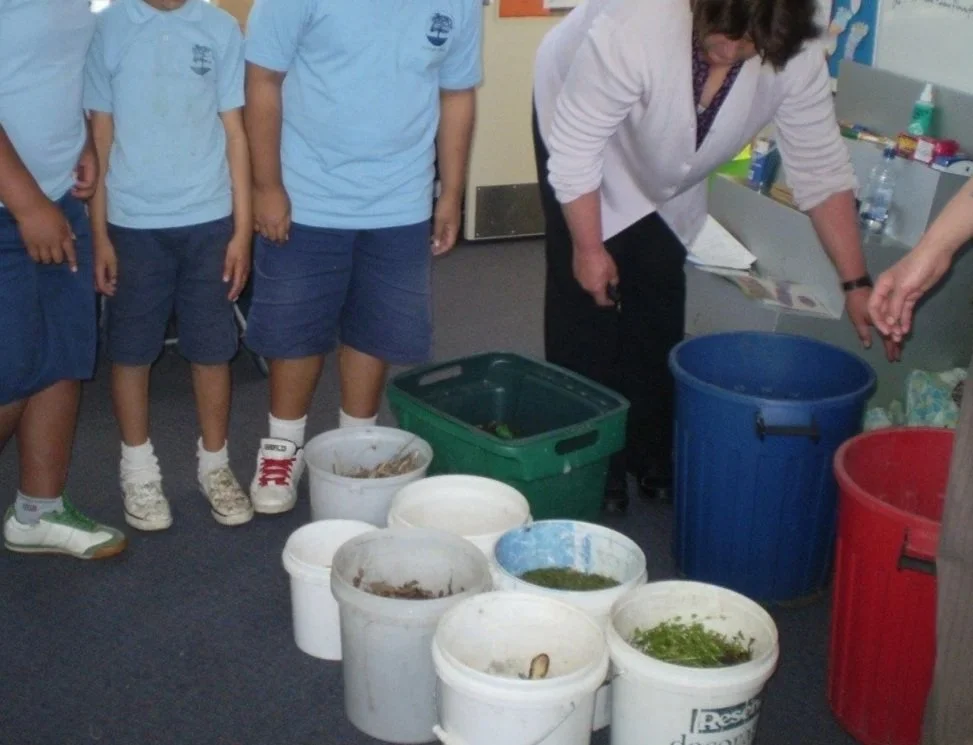
To get our tamariki thinking about the compost cycle, we piloted an in-school workshop during term four in 2009 where students from Addington Primary School created large scale art works depicting the composting cycle. This workshop encouraged environmental learning using a creative and experiential learning approach and was funded using a Ministry of Environment Sustainable Management Fund grant. The involvement of the school’s Green Team (environmental club) and the support of teachers was crucial to the pilot’s success. A slideshow presentation depicting the various organisms involved in the compost cycle was presented to students and students looked at some fauna collected using magnifying glasses from our composting system. These organisms were depicted in paint and glitter, showing the shapes of these organisms that are invisible to the human eye as shown in one of the artworks from the project, Compost Happens.
-
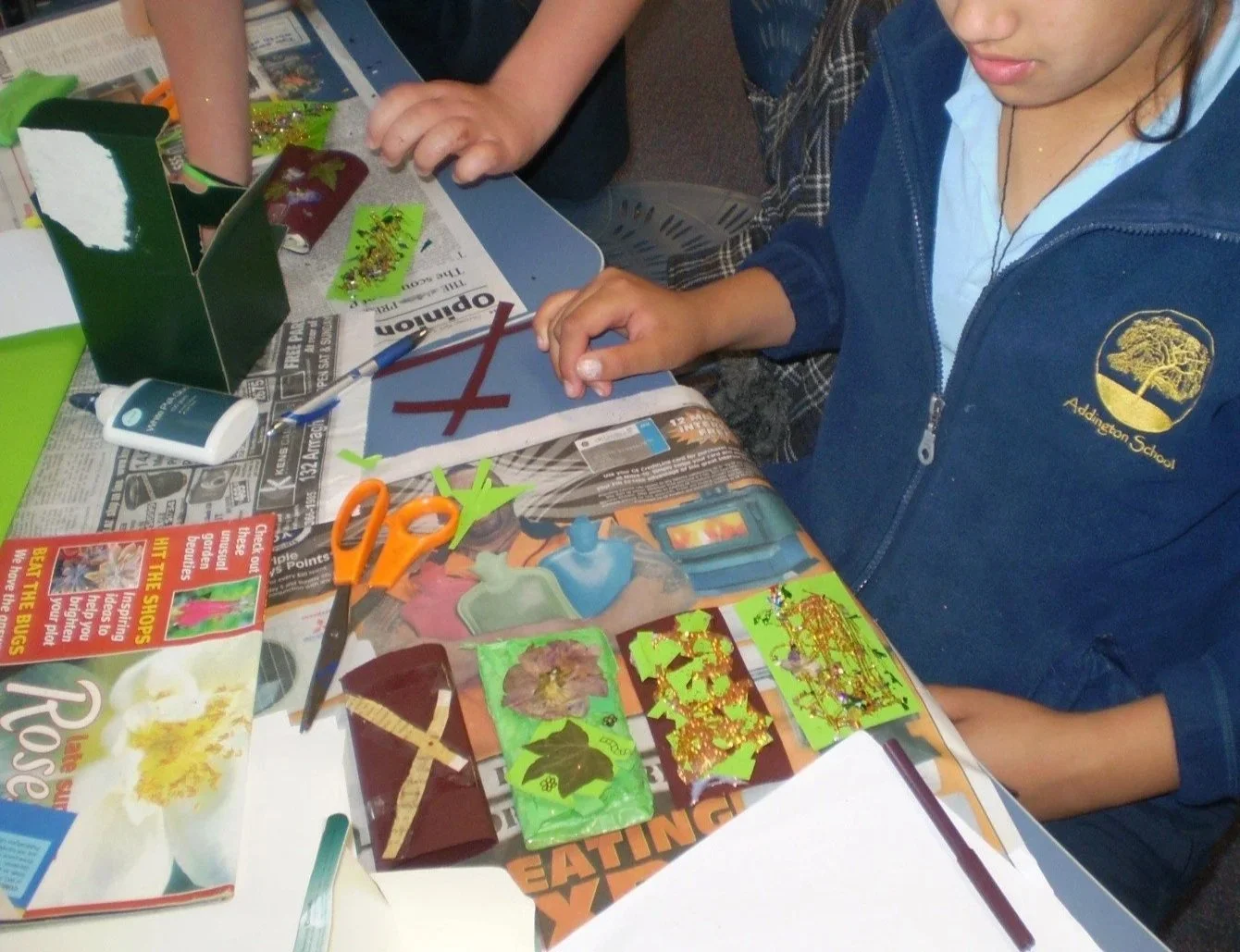
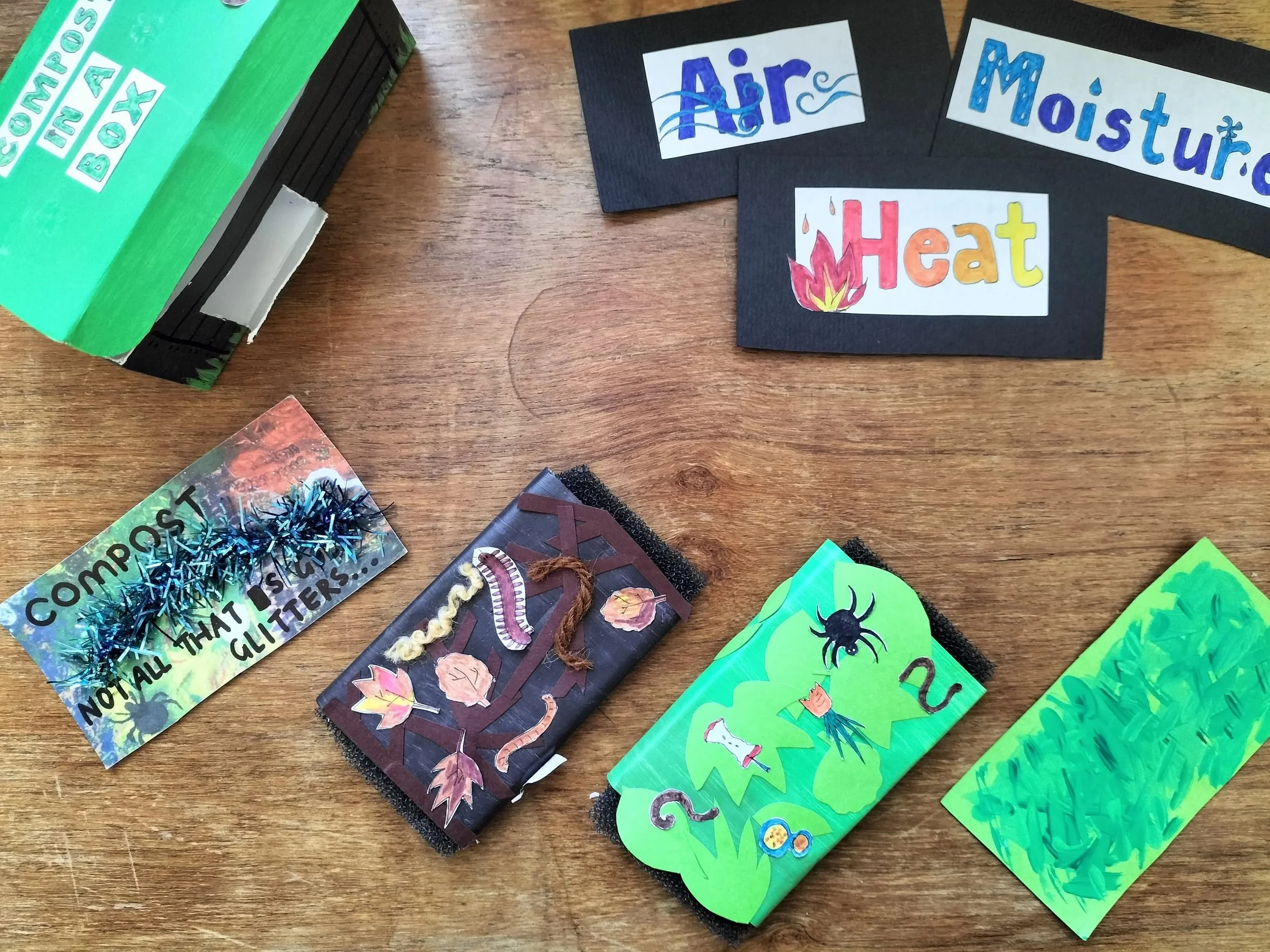
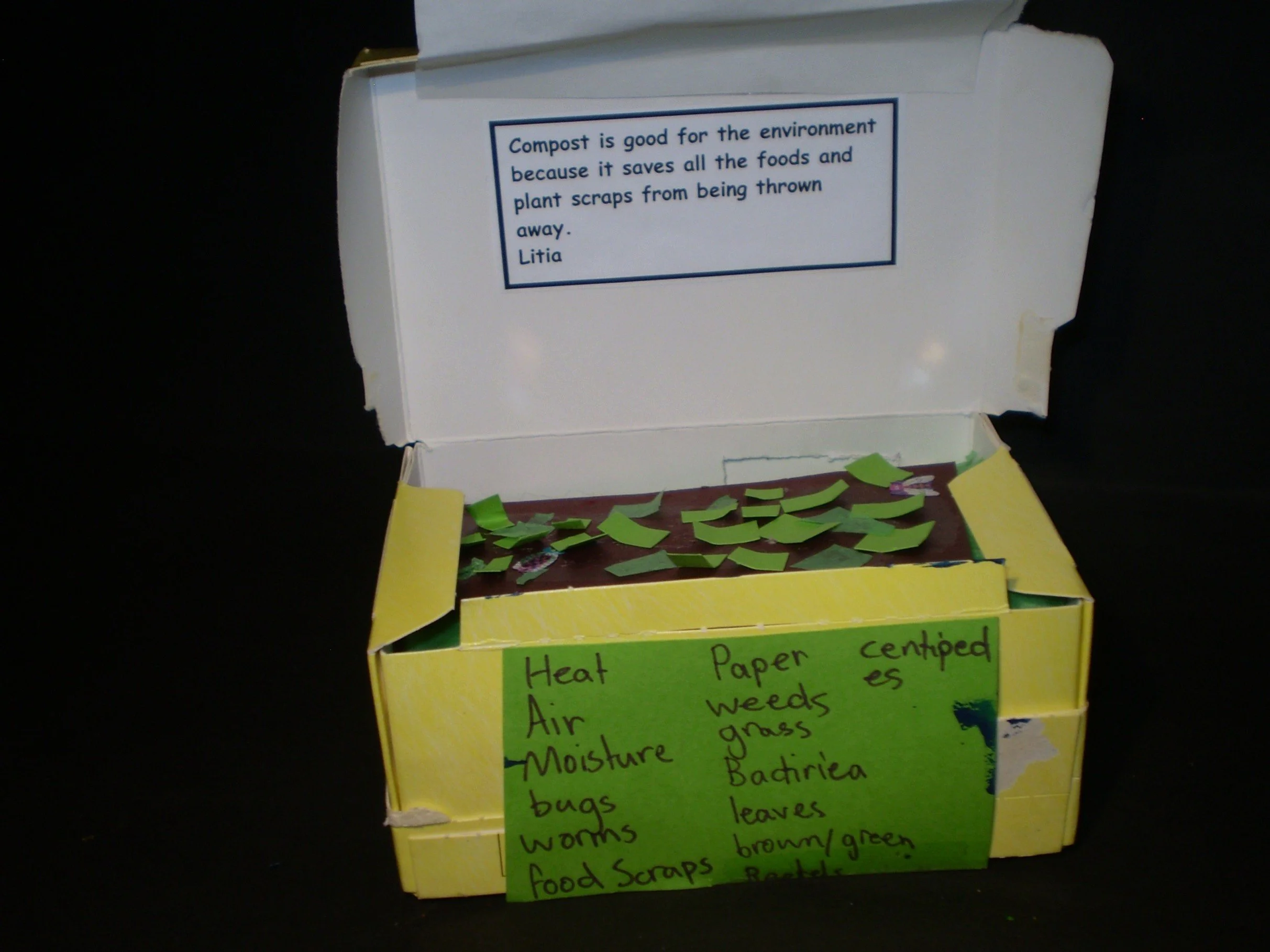
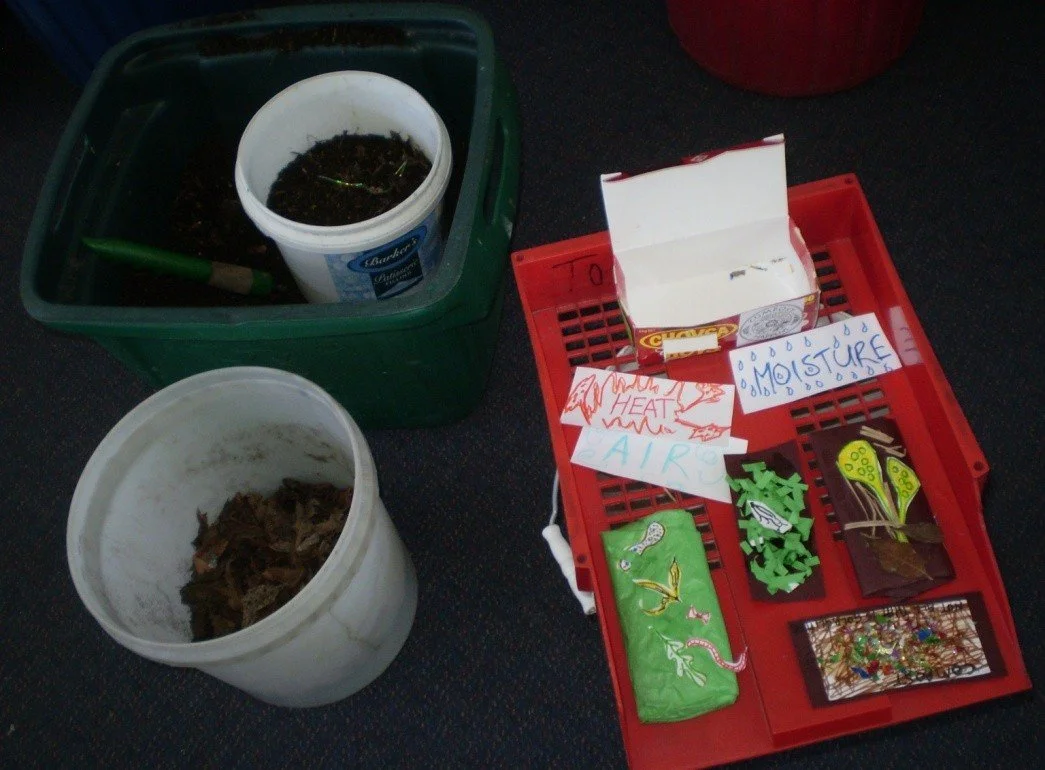
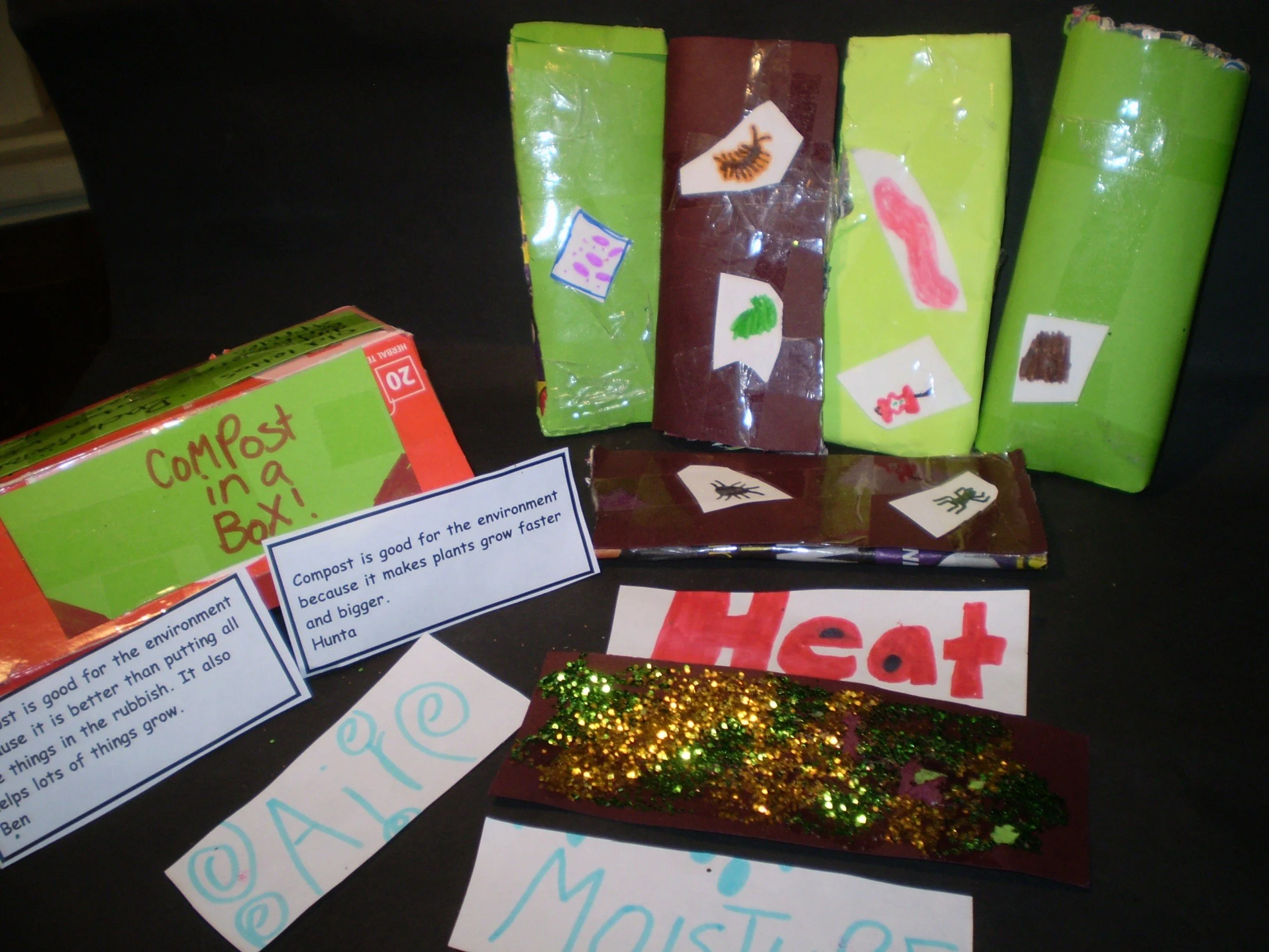
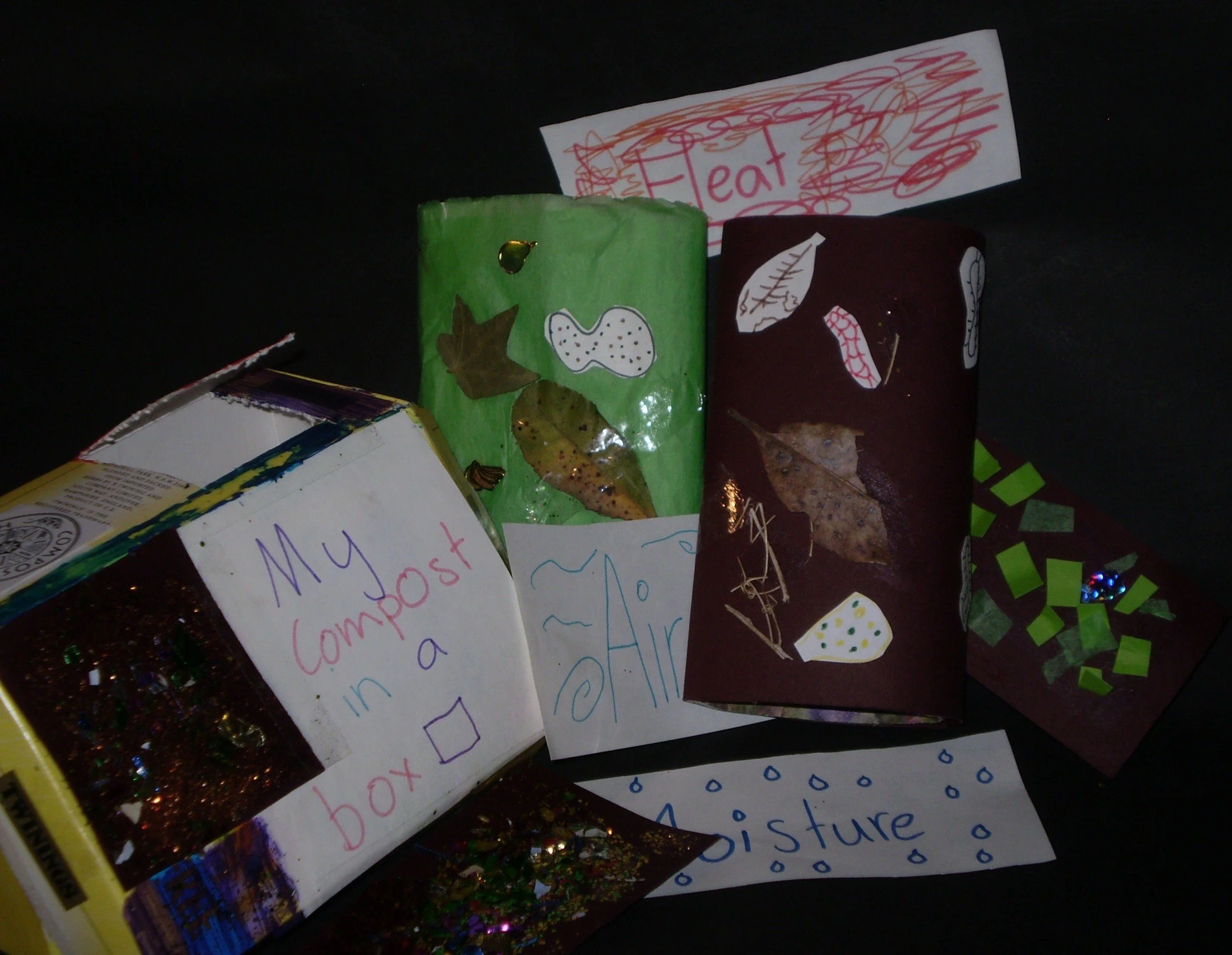
As part of our composting educational programme, we designed and made with students scale models depicting the different inputs that go into a composting system using paper and found items. Students constructed a miniature, ‘working’ composting bin that showed the range of organic material that is layered inside a composting system. This project encouraged students to consider how different composting inputs like food scraps and leaf litter contribute towards the breakdown and recycling of organic matter.
Garden gym
The science of composting (including EM Bokashi)

Future Programmes
We would like to work with interested schools in developing educational programmes around the following themes:
Changing attitudes to waste minimisation
The limitations of modern living and how to respond to these
Doing a waste audit at school and home
Compost theatre
Get in touch to discuss our range of primary, intermediate and secondary schools programmes
Motivations & Health Benefits of Community Gardening Research Project
An ongoing research project with tertiary students
The aim of the initial 2016 study was to explore and compare attitudes towards community gardening and the perceived health benefits of communal gardening. The initial study consisted of a questionnaire distributed to 40 participants with a mix of qualitative and quantitative questions that covered background, dietary habits, general health and involvement in community gardening. Of the 20 respondents, 30% responded that they gardened for physical/mental health and recreation benefits compared to 25% motivated by increased access to fresh produce.
Since the presentation of the initial study presented by Christine and ARA student Anna Matthews to the Public Health Association NZ Conference in October 2017, five students from the UC Bachelor of Health Science have progressed this research.
Garden Fit Programme
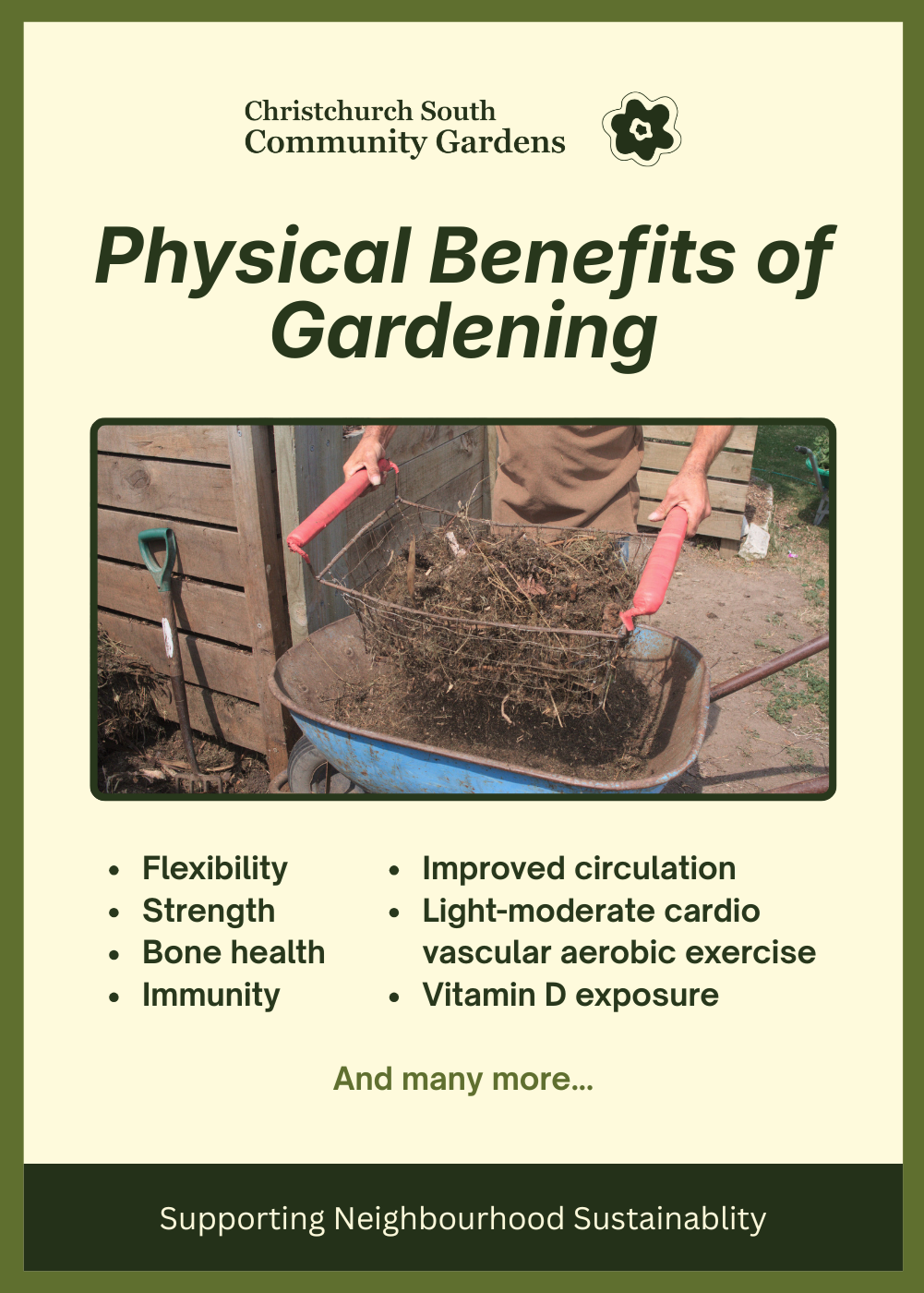
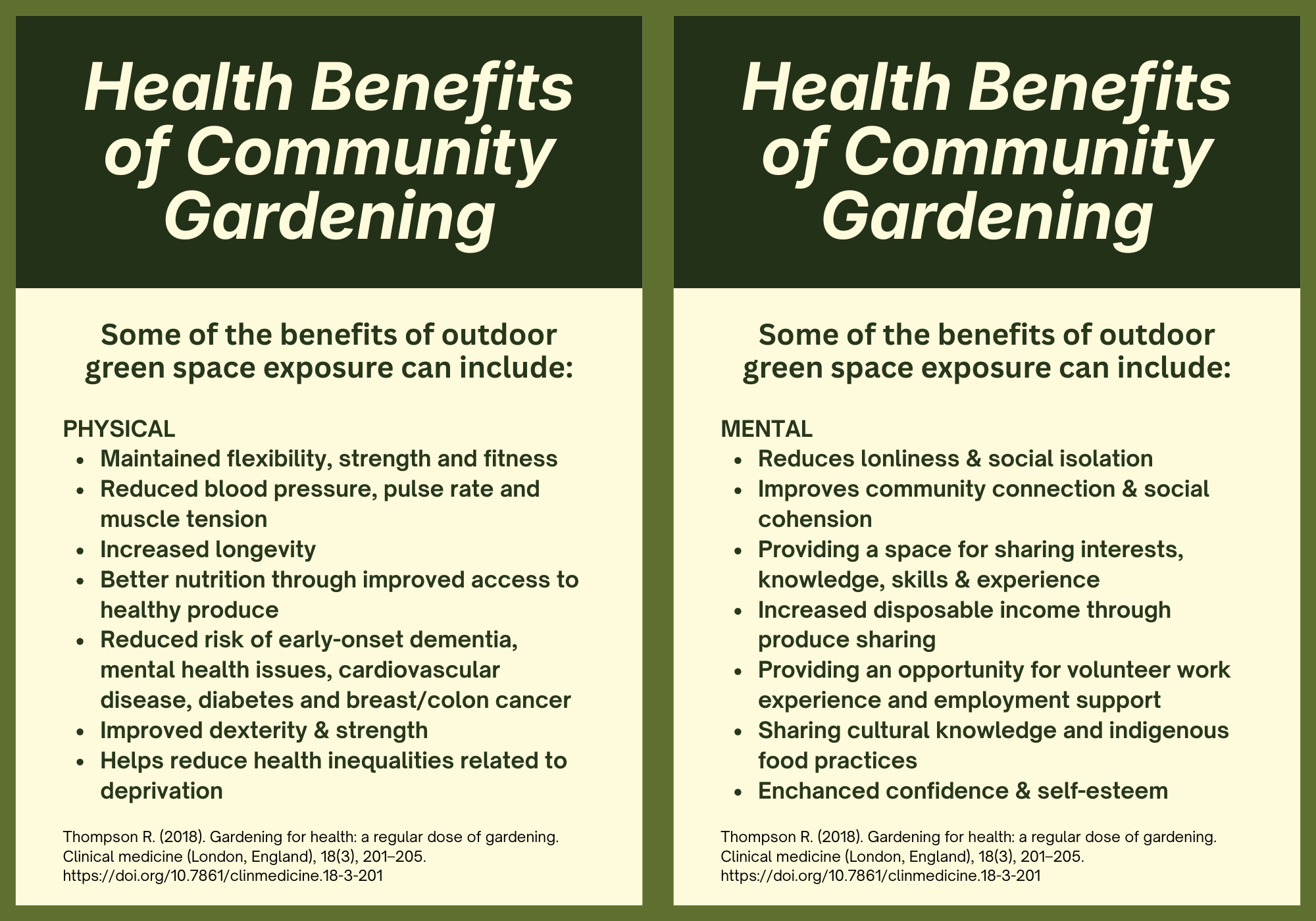
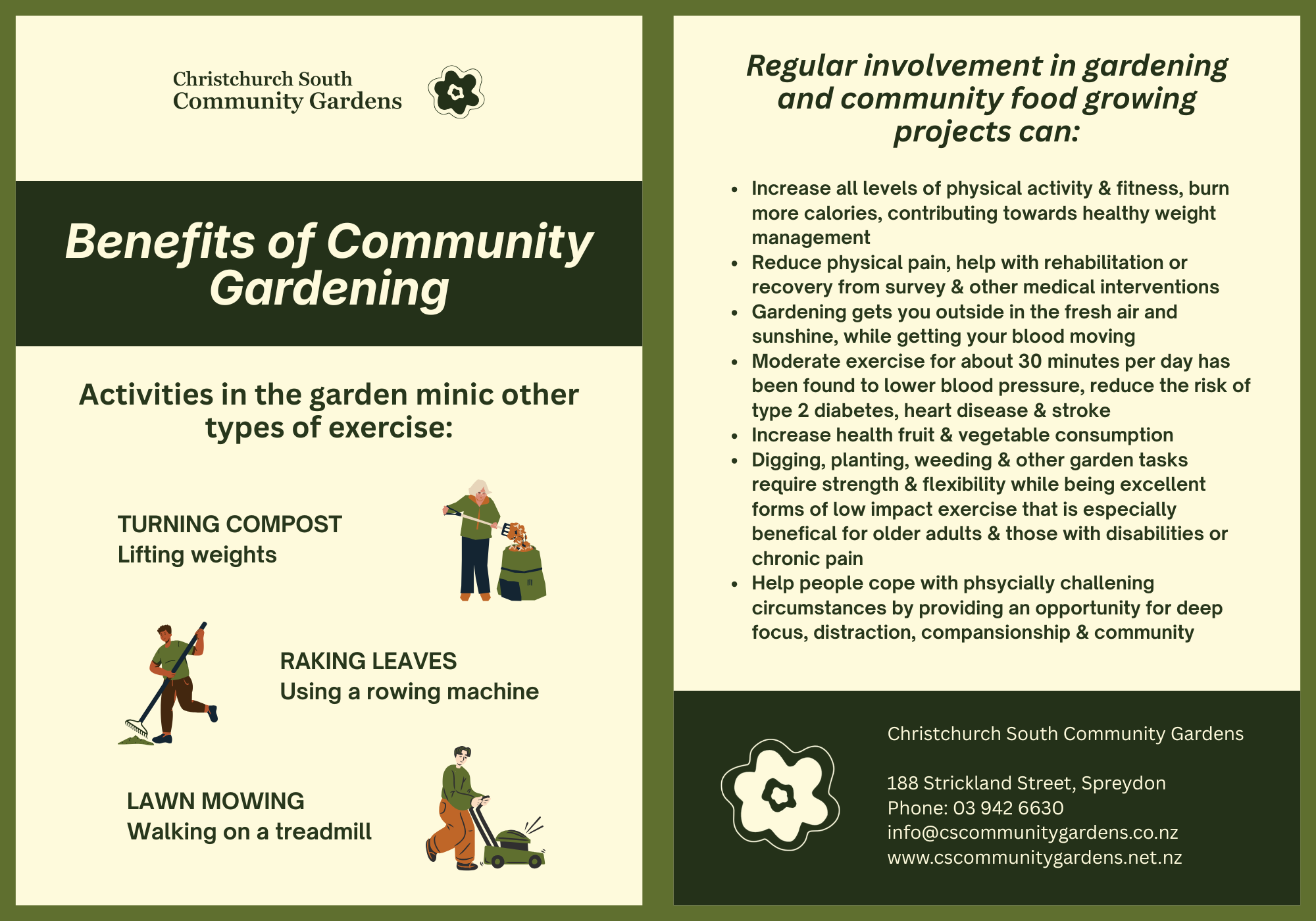
We distributed an educational pamphlet to local medical centres
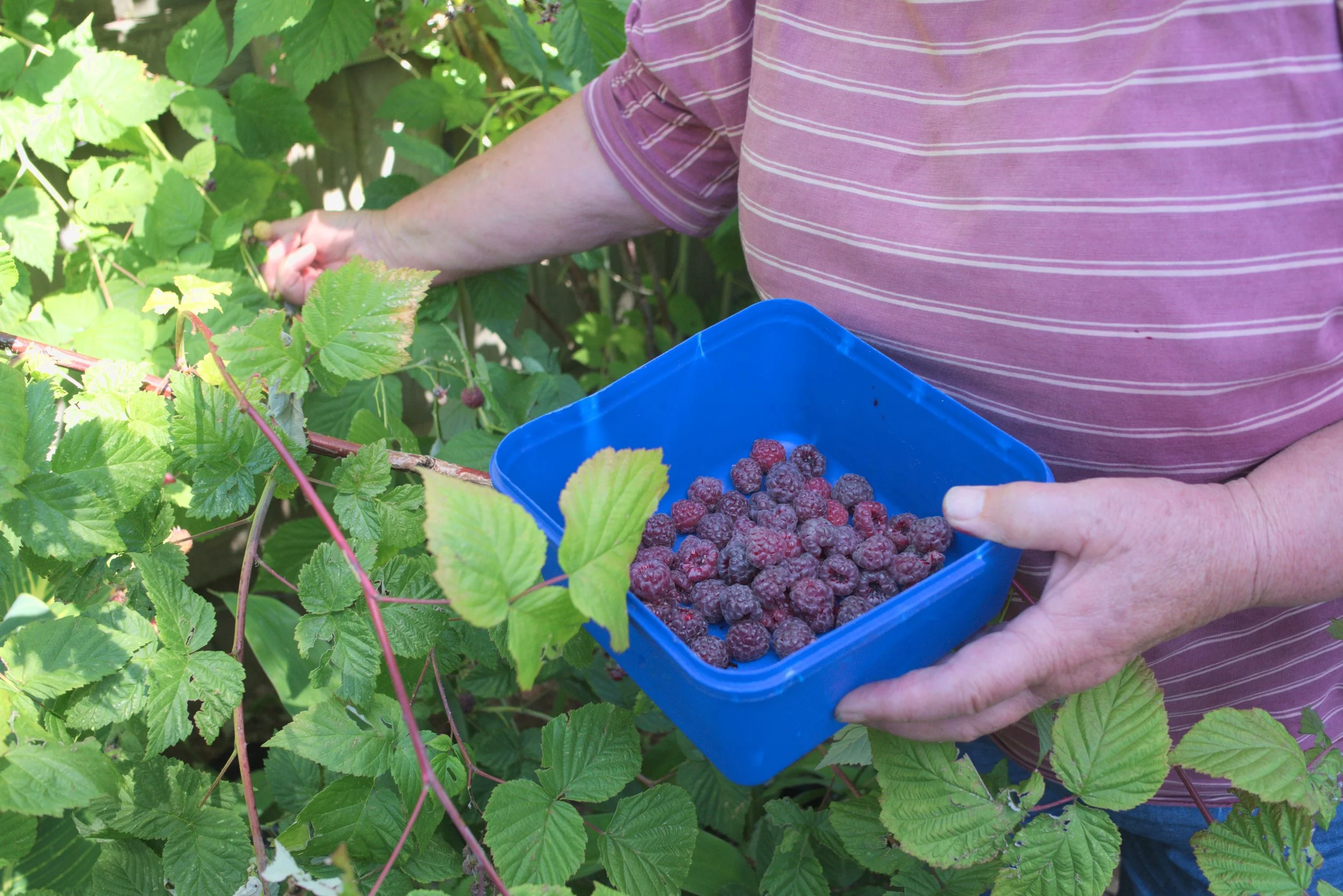
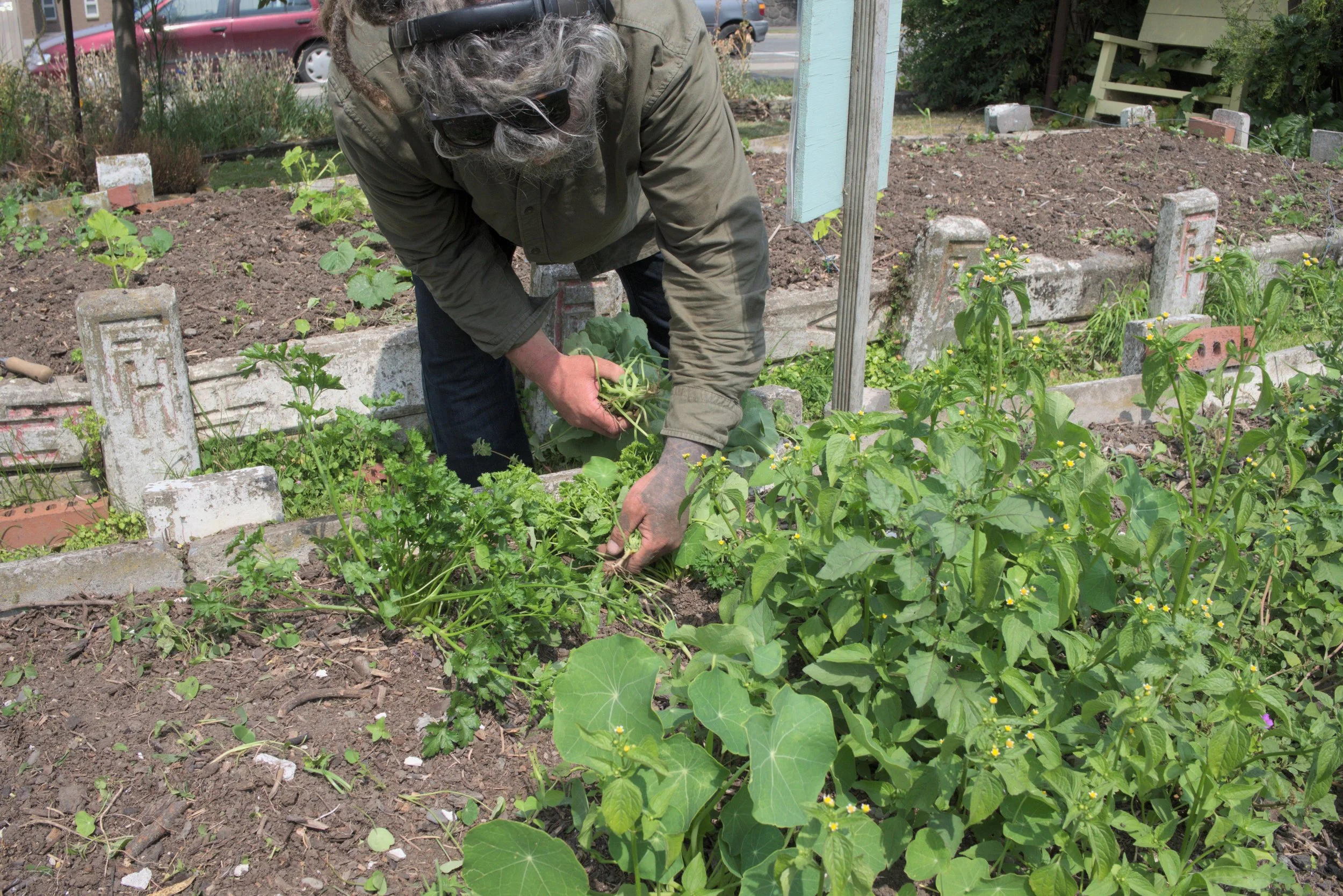
As a supplement to our ongoing research project into the physical benefits of gardening, we distributed an informational pamphlet to Village Health and Barrington Medical Centre. The pamphlet provided information on the psychical and mental wellbeing benefits of gardening and participation in a community garden. Designed to give an overview about the beneficial effects of gardening while serving as promotional material for our mahi, we distributed over 1000 of these pamphlets to be displayed at the reception of local health centres.